
Review · USA
Guided Snowshoe Tour in Bend, Oregon
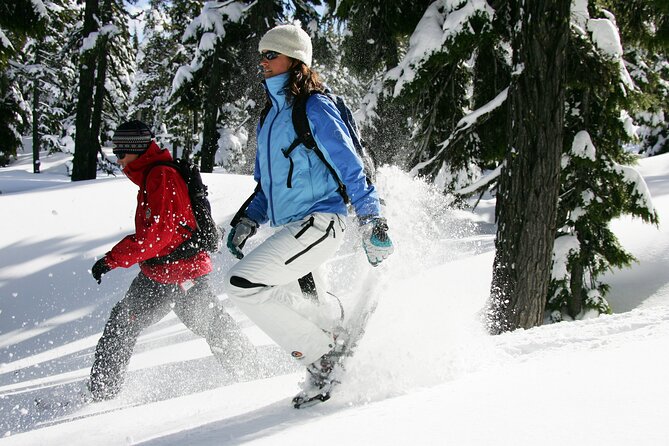
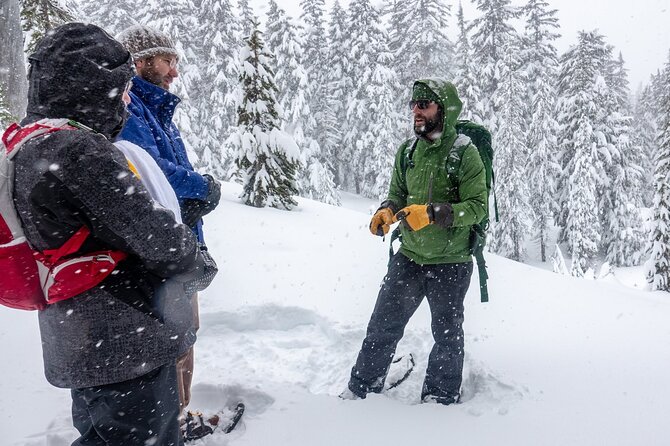
Bend’s winter woods are at their best when fresh snow covers the ground, and this four-hour outing takes you off the usual road and into the Deschutes National Forest. You’ll walk beneath old-growth trees, look for animal tracks, and stop for hot cocoa with the mountains around you.
I like two things right away: the guide handles the driving and trail breaking, and the naturalist commentary gives the walk a purpose beyond getting from one viewpoint to another. The small group, capped at 13 people, should also make it easier to ask questions and keep a comfortable pace.
The main caution is the altitude. The route reaches above 6,000 feet and includes some climbing and descending, so this is not simply a flat stroll in the snow. You’ll need warm, waterproof clothing and enough fitness for several hours on snowshoes.
Key points to know before you book
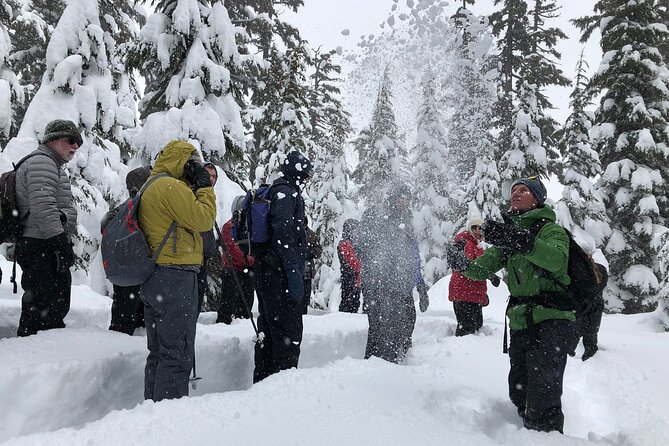
- Fresh snow and old-growth forest: The tour takes place around Mt. Bachelor and through the Deschutes National Forest, where winter snowfall can be very deep.
- A naturalist-led walk: Your guide explains animal tracks, native history, forest types, local wildlife, and why snowpack matters to Central Oregon.
- Snowshoe instruction included: You do not need prior off-trail snowshoe experience. The guide teaches basic techniques and breaks trail.
- Hot cocoa in the forest: A short rest with a warm drink gives you time to enjoy the snowy setting and catch your breath.
- Small group size: The maximum is 13 people, a useful limit for a guided outdoor activity.
- Plan your clothing carefully: Winter boots, snow pants, layers, gloves, hat, sunglasses, and sunscreen are important. Boots and snow pants can be rented for $10 per item.
Into the Deschutes National Forest
The adventure begins at 61535 S Hwy 97 in Bend, where you meet the Wanderlust Tours team. From there, the company handles the drive toward the snowshoeing area around Mt. Bachelor and the surrounding national forest.
That transport matters. You do not need to work out a winter route, judge road conditions, or find a suitable place to break trail on your own. The guide gets you to the snowy setting, prepares the route, and teaches you how to use the equipment.
The snow here is part of what makes the outing special. The Cascade Mountains west of Bend can receive roughly 400 to 600 inches of winter snow. That much snowfall creates the powdery conditions that make snowshoes useful, though it also means ordinary shoes are a poor choice.
Once you arrive, the guide provides the snowshoes and explains how to move in them. If you are new to snowshoeing, this is the right kind of introduction: practical instruction first, then time to test your footing while the guide breaks trail ahead.
More Snowshoeing Tours in the USA:
- Scenic Snowshoe Adventure in South Lake Tahoe, CA
★ 5.0 · 190 reviews - Private Park City Snowshoe Excursions (9:30am/12:30pm start time)
★ 5.0 · 140 reviews - 4 hour Snowshoe in Grand Teton National Park
★ 5.0 · 123 reviews
What the four-hour route feels like
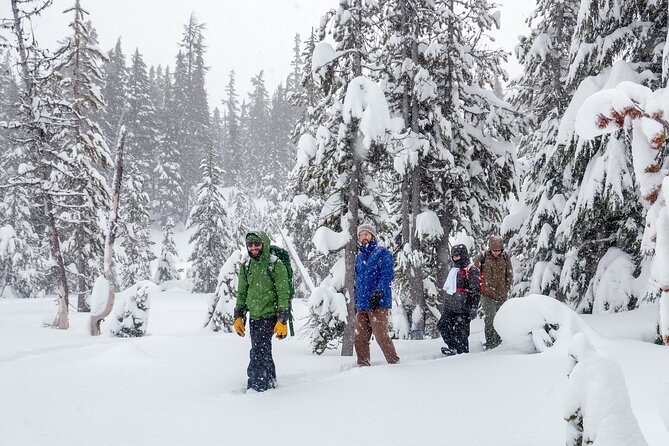
The only named stop is the Deschutes National Forest, but the experience is not a quick walk to one lookout. The outing is built around moving through the forest, stopping for interpretation, and noticing details that are easy to miss when you are focused only on staying upright.
You can expect some elevation loss and gain. At more than 6,000 feet, the same walk can feel harder than it would at home, especially in deep snow. The pace is designed for a mixed group, but you should still be prepared for steady effort over several hours.
The guide may point out tracks left by animals moving through the snow. Even if you do not see wildlife itself, tracks can show where creatures have crossed, paused, or followed a route through the trees. That gives the walk a small detective-story element without turning it into a wildlife-spotting promise.
The forest setting also allows the guide to explain native history and local ecology. You will hear why a healthy snowpack matters to Central Oregon, where winter snow helps support the region’s water supply and natural systems. This turns the outing into more than exercise with a scenic backdrop.
The guide may also discuss the kinds of forest you pass through, local wildlife, and the night sky on special evening outings. Kristen, one of the guides associated with these tours, has used stops along the route to talk about terrain, forest types, constellations, and wildlife. For the regular daytime tour, the exact sequence of stops can vary with snow and conditions.
The hot cocoa break
A short rest for hot cocoa is included. It is a simple touch, but it matters after walking through powder at high elevation. You get a chance to warm your hands, take a breath, and enjoy the quiet instead of treating the tour as a race.
The cocoa also gives the guide a natural pause for questions. If you want to know more about animal tracks, the forest, or the role of snowpack, this is a good time to ask. Bring your own snack if you like, since food beyond the cocoa is not provided.
Water is not provided either. Bring a reusable bottle and remember that drinking can be easy to neglect in cold weather. The sun reflecting off snow can also be surprisingly strong, so sunglasses and sunscreen belong in your day pack even when the air feels cold.
Why the guide makes a difference
You can rent or buy snowshoes and walk on your own around Bend, but this tour adds three useful services: instruction, route finding, and interpretation.
A naturalist guide helps you notice the forest rather than simply crossing it. Instead of seeing a blanket of white, you may start looking for tracks, changes in tree growth, and signs of how winter supports the region. The guide also brings local stories and native history into the outing.
The instruction is especially useful for first-time snowshoers. Snowshoes change how you place your feet, turn, and move through powder. The guide can show you practical tricks and help you avoid wasting energy on the first part of the walk.
Having someone else break trail is another real benefit. Fresh powder is beautiful, but it takes work to create a route through it. Wanderlust Tours handles that job, allowing you to concentrate on the scenery and the experience.
The group limit of 13 helps preserve the feel of a guided walk rather than a large outdoor excursion. It does not guarantee a private experience, but it should give the guide a reasonable chance to keep track of the group and answer questions.
A few more snow days around the USA worth a look
- Privately Guided Snowshoe Experience
★ 5.0 · 41 reviews - Fairbanks: Guided Snowshoe Hike to Castner Glacier Ice Cave
★ 4.8 · 31 reviews - Hurricane Ridge Guided Snowshoe Tour in Olympic National Park
★ 5.0 · 19 reviews - Introductory Guided Snowshoe Tour
★ 5.0 · 9 reviews
Clothing and equipment that matter
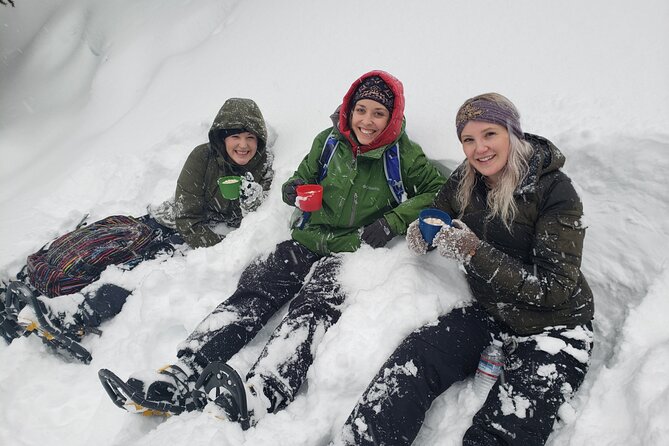
The right clothing will shape your experience more than any camera or snack. Wear waterproof winter boots that keep your feet warm and dry. Regular hiking shoes are not enough for deep snow.
Snow pants are also important. Snowshoeing involves stepping into powder, crossing uneven ground, and occasionally brushing against snow-covered branches. Wet trousers can turn a pleasant outing into a cold one quickly.
Wanderlust Tours offers snow boots and snow pants for rent at $10 per item at the office before departure. That is useful if you are visiting Bend without full winter gear. You should still confirm that the rented items fit well before leaving, since poor fit can cause discomfort during a four-hour activity.
Dress in layers. Bring a snow jacket, warm hat, gloves, and clothing that lets you adjust as your body heats up. Sunglasses protect your eyes from glare, while sunscreen helps with the strong reflection from the snow.
Snowshoes are included, so you do not need to bring your own. The guide provides instruction and helps you get started with the equipment.
Fitness, altitude, and family suitability
The tour is recommended for children 8 and older. That makes it a possible family outing, but age alone does not determine readiness. Your child should be comfortable walking for several hours in winter conditions and following instructions on uneven, snowy ground.
The altitude is the main physical consideration. The route takes place above 6,000 feet and includes uphill and downhill sections. You do not need to be an athlete, but you should be able to walk steadily and manage cold conditions without serious difficulty.
This activity is not recommended for people with serious cardiac conditions or serious knee and leg problems that would affect walking. If you are unsure about the difficulty, contact the company before booking rather than hoping the route will be easier than expected.
The group pace may be moderate, but the snow itself adds work. Snowshoes spread your weight across the surface, yet deep powder still requires effort. Build in time to stop, adjust your gear, and drink water.
Is $140 a fair price?
The cost is $140 per person. That is not a bargain-priced winter walk, but the price includes several things you would otherwise need to arrange yourself: snowshoes, instruction, transportation from the Bend meeting point, a naturalist guide, trail breaking, and hot cocoa.
The value is strongest if you are new to the area or new to snowshoeing. You are paying for a planned route in a snowy forest, not just a piece of equipment. The guide’s local knowledge can also help you understand what you are seeing rather than simply wandering among trees.
The value is weaker if you already own snowshoes, know the local routes, and prefer to travel independently. In that case, the guided interpretation and route support need to matter to you for the price to feel worthwhile.
There are also a few extra costs to remember. Snacks and bottled water are not included, and rented boots or snow pants cost $10 per item. Guide gratuity is not included, so you may wish to budget for a voluntary tip if the service earns one.
The tour is commonly booked about 12 days ahead on average. Winter dates can be limited, so booking early is sensible if your Bend schedule is fixed.
What makes the experience memorable
The strongest part of this outing is the combination of quiet forest time and useful interpretation. The snowy setting supplies the beauty, but the guide gives you reasons to pay attention.
A fresh snowfall can make the forest feel transformed. Trees carry new weight, tracks appear more clearly, and the route changes from a simple path into a soft, white corridor. Conditions will vary, so you should not book expecting a particular amount of snowfall on your date.
The conservation message also adds substance. Learning why snowpack matters connects the winter outing to Bend’s wider water and forest systems. It is a small lesson, but one you may remember when you see the same mountains in summer.
Special evening programs have added features such as a bonfire dinner, soup, bread, grilled cheese, and talks about the night sky. Those are separate event details, not part of this standard tour. They do show the company’s broader approach: outdoor time paired with food, stories, and a sense of place.
For this daytime experience, keep your expectations focused on snowshoeing, forest interpretation, and cocoa rather than a meal or a guaranteed wildlife sighting.
Booking details and practical limits
Confirmation is sent at booking, and the activity ends back at the original meeting point. Tickets are mobile, and the tour is offered in English.
Every participant must complete a waiver. You can fill it out on your phone at the office before departure, so arrive with enough time to handle that step without rushing.
The experience is non-refundable and cannot be changed after booking. If weather, illness, or a change in plans could affect your schedule, understand that the amount paid will not be returned.
The maximum group size is 13 people. Most people can participate, but the company specifically warns about serious cardiac conditions and serious knee or leg problems. The safest approach is to ask about the route before reserving if either issue applies to you.
Who should book this Bend snowshoe tour?
I would choose this tour if you want a guided introduction to winter in Central Oregon, especially if you are visiting Bend without snow gear or local route knowledge.
It suits families with children 8 and older, couples looking for a quiet outdoor activity, and first-time snowshoers who want instruction rather than guesswork. It also works well for anyone who enjoys natural history, animal tracks, and local ecology as much as the physical walk.
I would hesitate if you dislike cold-weather exercise, need a flat and easy route, or have serious heart, knee, or leg concerns. I would also think twice if your main goal is a long meal, a guaranteed wildlife encounter, or a highly customized private outing.
Should you book it?
Book it if you want to see the Mt. Bachelor area on foot, learn how to snowshoe, and understand more about the forest than you would on your own. The hot cocoa, small group, included equipment, and naturalist commentary make the $140 easier to justify.
Skip it if you already have strong snowshoeing skills and winter gear, or if elevation and uneven snow could make four hours uncomfortable. For the right visitor, this is a well-organized way to meet Bend’s winter woods without taking on all the planning and trail work yourself.
FAQ
Where does the snowshoe tour meet?
The meeting point is 61535 S Hwy 97, Bend, Oregon 97702. The activity ends back at this same meeting point.
How long does the tour last?
The tour lasts approximately four hours.
Where does the snowshoeing take place?
The tour takes place in areas around Mt. Bachelor and the surrounding Deschutes National Forest.
Are snowshoes included?
Yes. Snowshoes are included in the tour price, along with instruction from the guide.
Is hot cocoa included?
Yes. A hot cocoa break is included during the outing.
Do I need previous snowshoeing experience?
No. The guide provides instruction and teaches snowshoeing techniques and tricks. The guide also breaks trail for the group.
What clothing should I wear?
Wear waterproof winter boots, snow pants, a snow jacket, layers, a hat, and gloves. Sunglasses and sunscreen are also recommended because snow can reflect strong sunlight.
Can I rent winter boots and snow pants?
Yes. Snow boots and snow pants are available to rent from the office before departure for $10 per item.
Is the tour suitable for children?
The tour is recommended for children 8 and older. Children should still be able to manage several hours of walking in snowy conditions.
Are snacks and water provided?
No. Snacks and bottled water are not included. You may bring a snack such as a granola bar and should bring a reusable bottle of water.
What is the maximum group size?
The tour can have a maximum of 13 participants.
Is gratuity included?
No. Guide gratuity is not included. You may provide a voluntary tip when you feel the service warrants it.
Can I cancel for a refund?
No. The experience is non-refundable and cannot be changed for any reason after booking.
Is the tour offered in English?
Yes. The tour is offered in English and uses a mobile ticket.
Just added around the USA
- Vegas Winter Adventure: Mt. Charleston Snow Day★ 5.0 · 7 reviews
- Private Snowshoeing Adventure from Badger Pass to Dewey Point★ 4.5 · 3 reviews
- Private Guided Snowshoe Hike in Yosemite★ 5.0 · 5 reviews
- Combo Tour: Driving and Snowshoe Trek of Glacier National Park★ 4.5 · 12 reviews
- Vail and Beaver Creek Performance Snowboard Rental Including Delivery★ 5.0 · 2 reviews
- Vail and Beaver Creek Premium Ski Rental Including Delivery★ 5.0 · 10 reviews
- Guided Backcountry Skiing – Telluride★ 5.0 · 2 reviews
- Moonlight Cabin Snowshoe Tour★ 4.5 · 6 reviews
USA Ski Trips, compared.
Scenic Snowshoe Adventure in South Lake Tahoe, CA
Read our review →
Private Park City Snowshoe Excursions (9:30am/12:30pm start time)
Read our review →
8 Hour Combination Snowshoe & Wildlife Viewing in Grand Teton National Park
Read our review →
MIAMI ATV Night/day Ride with LED Lights NO HIDDEN FEE
Read our review →
Browse the lists this tour appears in