
Review · NORWAY
Russian Border Snowshoe Hike
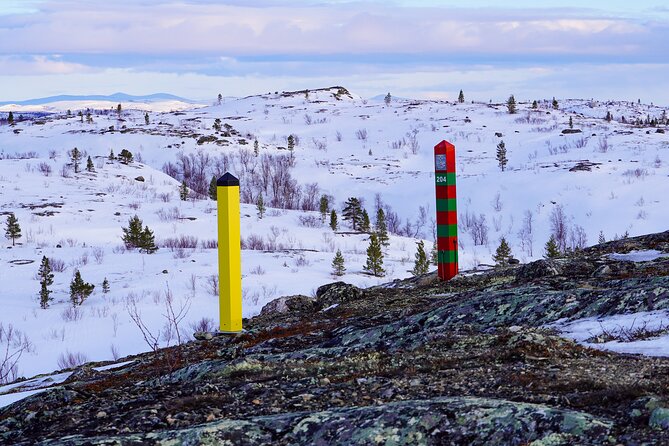
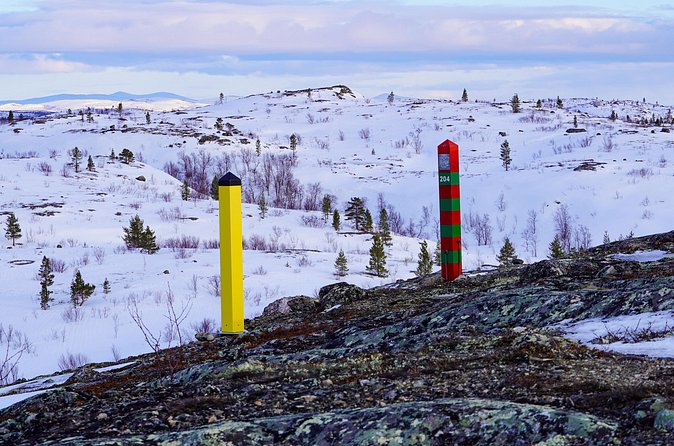
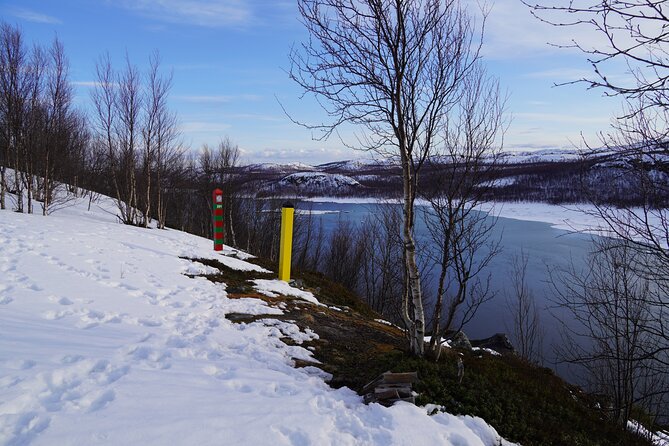
The remarkable part of this Kirkenes snowshoe hike is its destination: the twin border markers where you can legally get only a few meters from Russia. You walk through quiet northern forest, then look across the frozen Pasvik River toward the Russian Boris Gleb church, a sacred place that helped shape the border.
I like the small group, limited to seven people, and the way the outing joins Arctic nature with Cold War history. I also like that you do not need snowshoe experience, and that warm gear, hot drinks, and snacks are part of the practical setup. The main consideration is the price, $201.88 per person, for a 3.5-hour hike, plus the roughly 100-meter uphill section.
Key points
- Stand just meters from Russia: Reach the twin border markers, the closest legal point to the Russian side.
- Walk a 3 km Arctic loop: Expect quiet snowy forest and one moderate uphill section of about 100 meters.
- See Boris Gleb church across the Pasvik River: This Russian church is tied to the location of the border.
- Hear Cold War stories on site: The guide explains spy escapes, border tensions, and Norway’s present relationship with Russia.
- Keep the group small: A maximum of seven people allows for a quieter walk and easier conversation.
- Pause for warmth: Hot drinks and snacks give you time to enjoy the view and take photos.
A Snowshoe Walk With a Rare Border Destination
Many winter walks finish at a viewpoint, a hut, or a patch of especially pretty snow. This one finishes at an international frontier. That gives the outing a clear sense of purpose: you are not simply walking in the woods, you are following a route toward one of Europe’s most unusual border points.
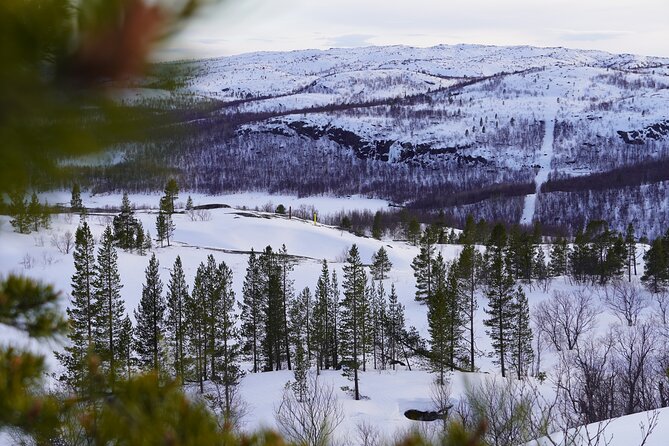
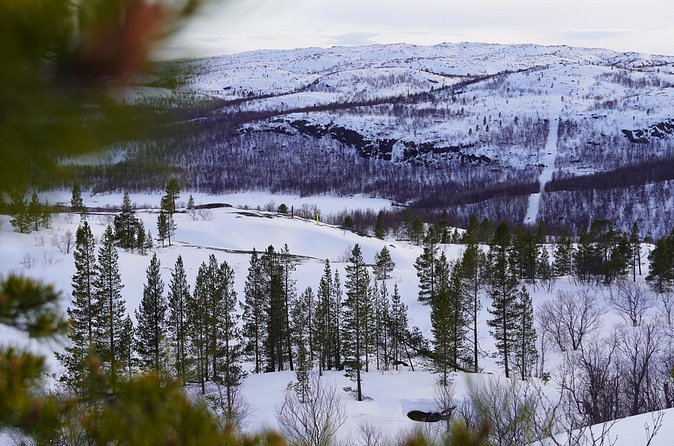
The setting is near Kirkenes, in Norway’s far northeast. The trail runs through snowy Arctic forest on a 3-kilometer loop. The route is short enough to fit into a busy Kirkenes day, but the snow and uphill section make it more than a casual stroll.
The tour lasts about three hours and thirty minutes. That gives the guide time to fit snowshoes, explain the route, stop for stories, pause for warm drinks, and let you take in the border view without rushing from one point to the next.
The small group matters here. With no more than seven people, you should have a better chance to hear the guide clearly and ask questions about the border, the church, and the region’s complicated past. It also keeps the outing from feeling like a procession through the woods.
More Snowshoeing Tours in Norway:
- From Tromsø: Snowshoeing Hike with Picnic Lunch and Photos
★ 4.9 · 840 reviews - From Tromsø: Guided Husky Snowshoe Hike and Husky Camp Visit
★ 4.9 · 715 reviews - From Tromsø: Snowshoe Hike in the Arctic
★ 4.9 · 467 reviews
Getting Ready at Kirkenes og Omegn Skiklubb
The meeting point is Kirkenes og Omegn Skiklubb, commonly shortened to KOS, at Storgata 5 in Kirkenes. The activity ends at the same place, so you do not need to arrange a separate return from the trail.
The first part is practical. You are fitted with snowshoes, and warm gear is available if you need it. That is useful if you are visiting Northern Norway with ordinary winter clothing but do not own snow equipment.
You do not need previous snowshoe experience. The guide handles the basic fitting and helps you get moving on the trail. Still, snowshoes are not magic winter shoes. You will be walking over snow for several hours, so boots, layered clothing, gloves, and a hat remain important.
The tour is listed for people with moderate physical fitness. The route is only 3 kilometers, but snow makes walking more tiring than the same distance on a clear path. The 100-meter uphill section is the part to take seriously. It is described as moderate, not extreme, yet you should be comfortable walking uphill in winter conditions.
Service animals are allowed, and the meeting point is near public transportation. The supplied details do not specify a transfer from central hotels, so plan on reaching KOS yourself.
The 3 Kilometer Loop Through Arctic Forest
Once everyone has snowshoes and warm clothing as needed, the group heads onto the loop trail. The appeal here is quiet rather than busy sightseeing. You get a close look at the winter forest and time to settle into the pace before the border becomes the focus.
A short route can still feel remote in Northern Norway. Snow changes the sound of the forest, and the guide can point out how the area feels and functions in winter. The experience is best for you if you enjoy being outdoors and do not need a packed schedule of attractions.
The uphill section adds effort and also gives the walk a natural rhythm. You work your way up, pause when needed, and continue toward the border area. Since the route is guided, you are not left to judge the trail or find the markers on your own.
The 3-kilometer distance is a useful detail when planning your day. You are not signing up for an all-day expedition, but you are also not stepping out for a quick photo. Allow the full 3.5 hours, especially because the guide includes stops and warm refreshments.
Storskog and the Edge of Russia
One of the most striking sights along the route is the modern border station at Storskog. The station gives the border a present-day, working character. This is not an old line on a map that survives only in history books. It is an active frontier between Norway and Russia.
The tour brings you to the twin border markers, where you can stand only a few meters from Russia. That is the emotional high point for many people who choose this outing. You are close enough to see the divide clearly, but you must respect the border rules and remain on the Norwegian side.
This is also where the group’s small size helps. The guide can explain what you are seeing, give you time for photographs, and keep the moment from becoming a rushed stop. You should not expect to cross the border or wander around freely. The attraction is precisely the rare chance to approach it legally from Norway.
The modern station and the border markers work together. One shows the current system of control. The other gives you a simple, physical point where two countries meet. The contrast makes the stop more interesting than a standard scenic viewpoint.
More Walking and Hiking Trips in Norway:
- From Tromsø: Evening Fjellheisen Snowshoe Hike and Cable Car
★ 4.8 · 91 reviews - Snowshoe Hill Hike in Tromsø
★ 5.0 · 77 reviews - Snowshoe hiking in Bergen – Public tour
★ 5.0 · 59 reviews - From Tromsø: Snowshoe Hike with Local Guides
★ 4.9 · 30 reviews
Boris Gleb Church Across the Frozen Pasvik River
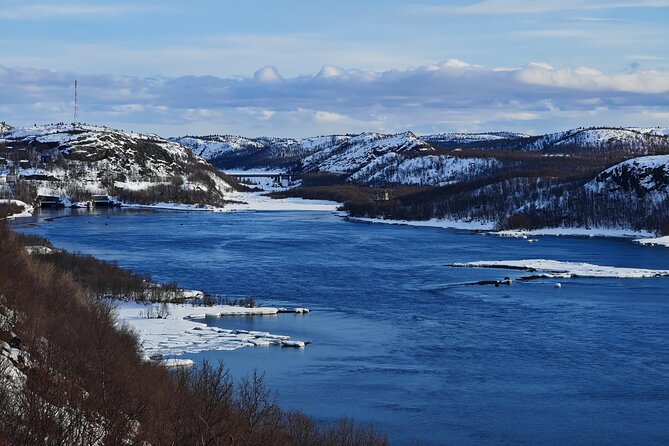
From the Norwegian side, you look across the frozen Pasvik River toward the Russian Boris Gleb church. The church is more than a picturesque building in the distance. It is a sacred site connected to the history of the border and influenced where the line was drawn.
That detail gives the stop real depth. You are not simply looking across the river at Russia. You are seeing a place with religious importance that helped shape the political boundary around it.
The river’s winter condition adds to the sense of place, but you should remember that the view depends on weather and visibility. The tour requires good weather, and poor conditions can lead to cancellation. If the outing runs, you will have time to look across the river and take pictures, but the exact clarity of the view cannot be guaranteed.
The church also helps explain why this border does not feel like an arbitrary modern division. Sacred sites, old movement routes, national interests, and regional history all meet here. The guide’s role is important because the meaning of the scene is not obvious from the snow and trees alone.
Cold War Stories in a Quiet Place
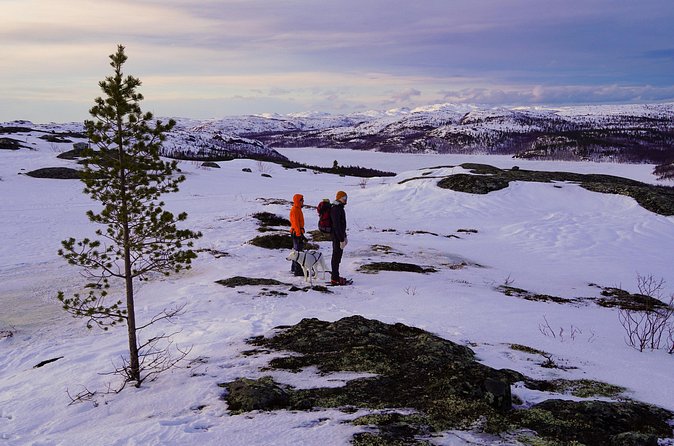
The guide discusses Cold War tensions, spy escapes, and the present relationship between Norway and Russia. These stories make the walk more than a nature outing. The forest becomes a setting for the pressure and secrecy that once shaped life along this frontier.
The subject is a good fit for the location. You are standing beside a border that has long carried political weight, so accounts of escape and surveillance feel connected to the ground under your snowshoes rather than added as a general lecture.
The tour description does not promise a museum, staged reenactment, or collection of indoor exhibits. The history comes through the guide while you are outside. That format suits you if you prefer learning in the place where events and borders mattered.
Guide Henrik is specifically named in the available feedback, and one rating praises his work and recommends the trek. If Henrik leads your departure, you can expect the guide to be a major part of the experience. Guide assignments can vary, so the important point is to treat the personal storytelling as central to the tour, not as a minor extra.
The discussion also reaches beyond the Cold War. The guide addresses Norway’s complex relationship with Russia today. That makes the border feel current, not frozen in the past along with the river.
Hot Drinks, Snacks, and Time for Photos
A pause for hot drinks and snacks is built into the outing. In a cold climate, this is not decorative hospitality. It gives you a chance to warm your hands, recover after the uphill stretch, and enjoy the surroundings without trying to do everything while walking.
It also creates a natural break between the physical part of the hike and the border stop. You can take photographs, listen to the guide, and look toward Boris Gleb church at a more relaxed pace.
Photography should be one of the better rewards here. The border markers, the snowy forest, the frozen river, the church, and the distant station give you several kinds of images. The experience is not built around a long list of stops, so your photos are likely to feel connected to one clear story.
You will want to keep your camera and phone protected from the cold. That is general winter advice rather than a special tour rule, but the chance to stop for photographs is one reason not to bury your camera at the bottom of your bag.
Is $201.88 a Fair Price?
At $201.88 per person, this is not a budget walk. You are paying for a guided small-group experience with snowshoe fitting, warm gear if needed, a local route, historical explanation, hot drinks, snacks, and access to a border area that is difficult to experience on your own.
The maximum group size of seven improves the value. A large group could make the forest walk feel less quiet and make the history talk harder to follow. With seven or fewer people, the guide can keep the pace personal and respond to questions.
The price makes more sense if the border is a main reason you are visiting Kirkenes. If you only want a basic snowshoe introduction, you might find cheaper ways to walk in the snow. But a simple snowshoe rental would not provide the border access, the Boris Gleb context, or the Cold War stories.
The short distance is another factor to weigh. Some people may expect a higher price to include a longer expedition. Here, the value comes from the place and the guide, not from covering many miles. You are buying a focused visit to an unusual frontier.
Who Should Book This Kirkenes Experience?
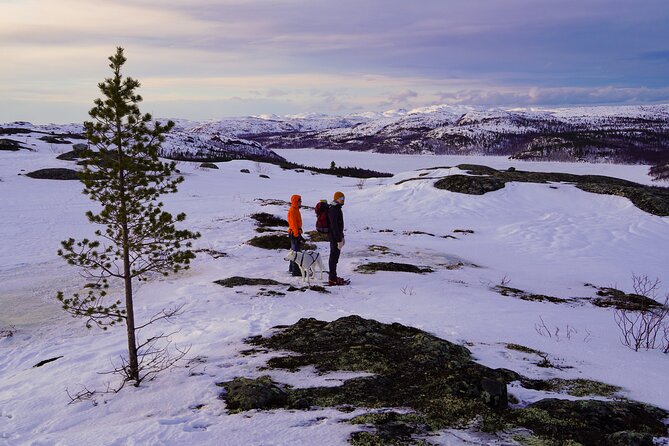
I would choose this tour if you want a clear mix of nature, politics, and local history. It suits you especially well if you are curious about borders, Cold War Europe, or the relationship between Norway and Russia.
It is also a good match if you want a winter activity that does not require expert skills. You need moderate fitness, not snowshoe experience. The route is manageable for someone comfortable with a 3-kilometer walk and a moderate 100-meter climb.
You may want to skip it if you dislike cold-weather activity, uphill walking, or fixed small-group outings. The tour is outdoors for several hours, and the weather can affect whether it runs.
Families and mixed-ability groups should consider the fitness note carefully. The supplied details do not give a minimum age or specific accessibility information, so you should confirm those points before booking if they matter to your group.
All EU nationals must bring an official ID card. All international visitors must carry a valid passport. That is especially important here because the tour goes to an international border, even though you remain on the Norwegian side.
Weather and Cancellation Details to Know
The experience requires good weather. If poor weather forces a cancellation, you are offered another date or a full refund. The same applies if the minimum number of participants is not reached: you can choose a different date or experience, or receive a full refund.
Your own cancellation is different. The booking is non-refundable and cannot be changed for any reason. That makes weather-sensitive planning important. Do not book this as a casual option you may decide to drop at the last minute.
Confirmation is sent within 48 hours of booking, subject to availability. Since the group is capped at seven, it is wise to confirm before building the rest of your Kirkenes schedule around the hike.
Should You Book the Russian Border Snowshoe Hike?
Book it if you want one distinctive winter outing rather than a standard snowshoe walk. The twin border markers, Boris Gleb church, and Cold War stories give this route a purpose that most forest hikes lack.
I would also book it if you value a small group and a guide who can connect the scenery with current events. Henrik has been singled out for praise, and the guide’s storytelling is an important part of what you are paying for.
Think twice if the $201.88 price feels high for a 3-kilometer route, or if you are not comfortable with a 100-meter climb in snow. For the right person, though, this is a memorable Kirkenes experience: quiet forest, hot drinks, a frozen river, and an international border only a few meters away.
FAQ
Where does the Russian Border Snowshoe Hike start?
The tour starts at Kirkenes og Omegn Skiklubb, also called KOS, at Storgata 5, 9900 Kirkenes, Norway.
Where does the activity end?
The hike ends back at the meeting point at Kirkenes og Omegn Skiklubb.
How long is the snowshoe hike?
The experience lasts about 3 hours and 30 minutes. The walking route is a 3-kilometer loop.
How difficult is the route?
The tour includes a moderate uphill section of about 100 meters. You should have moderate physical fitness, but previous snowshoe experience is not required.
How close do you get to Russia?
You reach the twin border markers, where you can stand only a few meters from Russia. The activity remains on the Norwegian side.
What identification do I need?
EU nationals must bring an official ID card. All international visitors must carry a valid passport.
What happens if the tour is canceled?
If poor weather or an insufficient number of participants causes cancellation, you are offered another date or experience, or a full refund. Your own booking is non-refundable and cannot be changed.
Just added around Norway
- Tromsø: Snowshoeing in a small group with free photos★ 4.3 · 4 reviews
- Tromsø: Ice Fishing and Snowshoe Hiking with a Local Guide★ 5.0 · 6 reviews
- Tromsø: Guided snowshoe trip with a campfire★ 3.7 · 3 reviews
- Tromsø: Easy Snowshoeing Tour with Coffee and Cake★ 5.0 · 5 reviews
- Tromsø: Arctic Snowshoeing Experience★ 5.0 · 2 reviews
- Skiing in winter wonderland★ 4.5 · 12 reviews
- Guided Tromsdalen Snowshoe Adventure Starts Here★ 5.0 · 2 reviews
- Snowshoe trip with a campfire in Tromso★ 5.0 · 12 reviews
Norway Ski Trips, compared.
From Tromsø: Ice Domes Snow Park and Wilderness Experience
Read our review →
From Tromsø: Snowshoeing Hike with Picnic Lunch and Photos
Read our review →
From Tromsø: Guided Husky Snowshoe Hike and Husky Camp Visit
Read our review →
Tromso Snowshoeing – Valley, Fjord Views, Wildlife, Meal & Pickup
Read our review →
Tromsø: Snowshoeing Tour & Reindeer Encounter with Lunch
Read our review →
Breivikeidet: Cross-Country Skiing & Husky Visit
Read our review →Browse the lists this tour appears in