
Review · INTERLAKEN
Snowshoe Adventure in the Swiss Alps
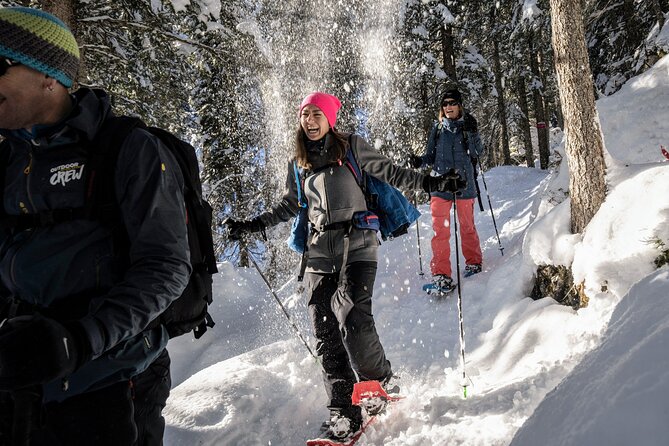
The best part of this Interlaken outing is the change of pace. Instead of racing down a ski slope, you move quietly through snowy forest and open alpine meadows, with a guide handling the route and safety. I like the easy transport and equipment setup, and I like that you can reach quiet winter trails without already knowing how to snowshoe. The one catch is that the four-hour outing includes only about 1.5 to 2 hours of walking.
I also like the small group size, capped at 12 people, and the strong attention to changing mountain conditions. Layered clothing matters here: you may start cold, then warm up quickly as you climb and move.
Key points to know before booking
- The walking time is 1.5 to 2 hours: The full experience lasts about four hours because transport and equipment fitting are included.
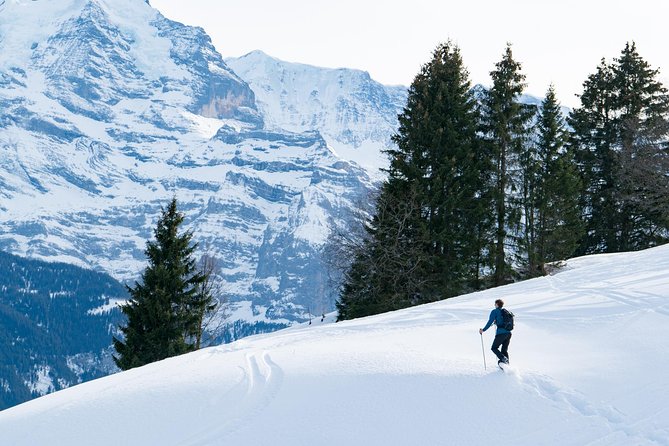
- You see a quieter side of the Alps: The route leads through forests, meadows, winter paths, and traditional Swiss hamlets away from busy ski areas.
- The big views are part of the payoff: On a clear day, you can look toward the Eiger, Mönch, and Jungfrau.
- Gear is included: Snowshoes, poles, hiking boots, snacks, transport, and a professional guide are provided.
- The group stays small: A maximum of 12 people makes it easier to hear the guide and keep a comfortable pace.
- Weather and numbers can affect the outing: Poor conditions or too few bookings can lead to a new date, another activity, or a full refund.
Why snowshoeing makes sense in Interlaken
Interlaken is famous for dramatic mountain views, but winter sightseeing can become expensive and crowded. Skiing also asks a lot from you: equipment, lessons, lift passes, and a willingness to spend hours on your feet while learning a new skill.
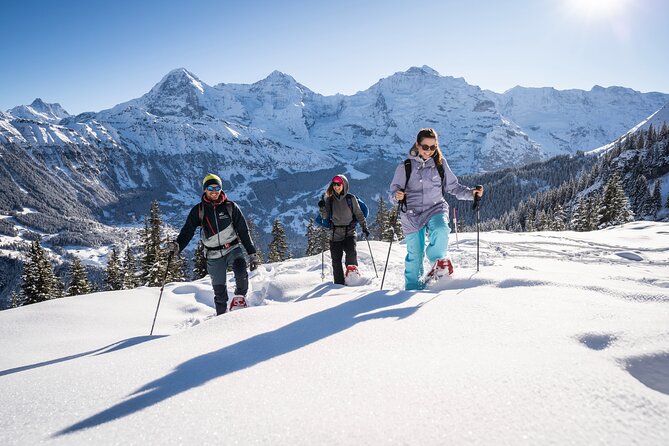
Snowshoeing offers a gentler alternative. You still get into the snow, but you do not need to ski or snowboard. The snowshoes spread your weight across a wider surface, making it possible to walk over deep snow that would be awkward or exhausting in ordinary shoes.
This is especially useful if you want an active outing but not a full ski day. You get fresh air, mountain scenery, and a genuine winter route without needing to plan the route yourself. The guide chooses a suitable path and keeps the group moving safely through the terrain.
The walk is described as easy, but easy does not mean effortless. Snowshoeing is a workout, especially on uneven snow or uphill sections. You should expect to use your legs more than on a normal town walk. The experience suits most people who can manage a moderate walk, but anyone looking for a completely relaxed sightseeing trip should take the physical side seriously.
More Snowshoeing Tours in Switzerland:
- Montreux: Snowshoe Trek with Fondue and Wine
★ 5.0 · 3 reviews - From Tromsø: Snowshoeing Hike with Picnic Lunch and Photos
★ 4.9 · 840 reviews - Rovaniemi: Hiking and Snowshoeing Adventure in Lapland
★ 4.4 · 753 reviews
Starting at Outdoor Interlaken Base in Wilderswil
The meeting point is Outdoor Interlaken Base at Industriestrasse 17 in Wilderswil, near Interlaken. This is where you check in, meet the guide, and sort out equipment before heading into the mountains.
The setup is one of the practical strengths of the trip. You do not need to arrange a separate snowshoe rental, search for a route, or work out mountain transport on your own. Snowshoes, poles, and hiking boots are included, along with snacks.
The transport is part of the overall four-hour schedule. Exact driving times and the walking location can vary with conditions, but the important point is that you are not expected to get yourself to a remote trailhead. The activity begins and ends at the same base, which keeps the day simple.
One useful detail is the small group limit. With no more than 12 people, the guide can explain how to use the equipment, keep an eye on the pace, and respond to changing conditions. It also makes the outing feel less like a large organized transfer and more like a guided walk.
Some departures may involve hotel pickup or drop-off arrangements, but the stated meeting point is the Outdoor Interlaken Base. Confirm your exact pickup details when booking rather than assuming a hotel transfer is included for every departure.
Getting fitted with snowshoes, poles, and boots
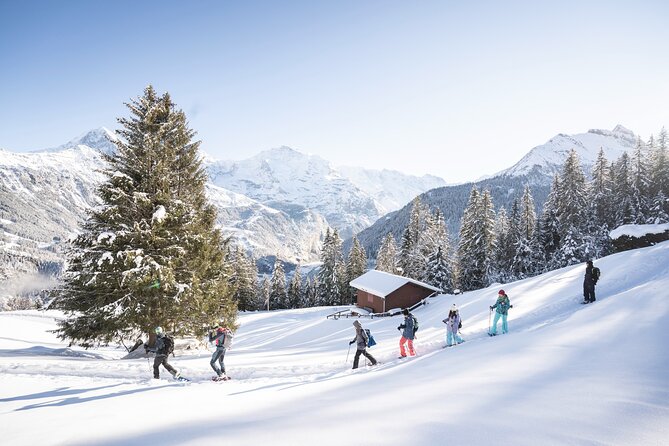
The equipment provided removes one of the biggest barriers for first-time snowshoers. You receive snowshoes and poles, plus hiking boots. The guide or staff can help you get set up before you leave.
Poles are more useful than they may sound. They give you balance on slopes and help you judge the depth and firmness of the snow. Snowshoes take a few minutes to feel natural, particularly when you turn or walk uphill, but beginners generally have enough time to get comfortable before the route becomes more demanding.
Snow clothing is not included. Jackets, gloves, and goggles are available to rent, but you should treat that as an extra cost and arrange it in advance if needed. Ordinary winter clothing may work for some people, but snowshoeing can expose you to wind, wet snow, and changing temperatures.
Dress in layers. One person found the beginning cold but became much warmer higher up because of the activity and elevation. That is normal mountain logic: standing around at the start can feel chilly, while walking uphill quickly produces heat. A removable middle layer is far more useful than one heavy coat you cannot adjust.
Gloves are particularly important because you may use poles for much of the walk. Goggles can also help in bright snow or poor weather, but they are not included unless rented. Wear clothing you can move in, and remember that snow can be wet even when the air feels crisp.
The ride toward quiet winter trails
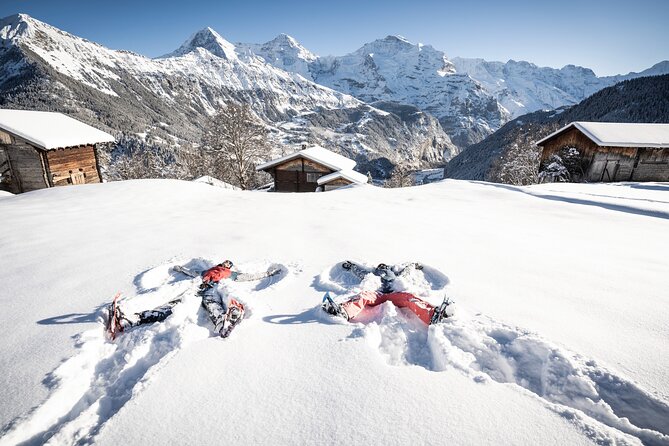
After the equipment fitting, transport takes you away from the base and toward the snowshoe route. The ride is not simply dead time. It gives you a transition from the practical side of the activity to the quiet mountain setting you came to experience.
The exact route is not fixed in the information provided, and that is probably a good thing. Mountain paths depend on snow conditions, weather, and safety checks. A flexible route lets the guide choose terrain that is suitable on the day instead of forcing the group onto one trail regardless of conditions.
This flexibility matters because avalanche risk is a real concern in the Swiss Alps. The guide team monitors conditions and keeps backup plans available. A previous departure was adjusted when conditions and logistics required it, yet the group still received a safe and scenic outing.
That kind of decision may be disappointing if you have your heart set on one particular route. Still, I would much rather have a guide change the plan than push ahead for the sake of a promise made on paper. Mountain safety should come before a fixed viewpoint.
A few more snow days around Switzerland worth a look
- Private Ski Lessons – 3 hours Zermatt
★ 5.0 · 279 reviews - From Interlaken: Afternoon Ski Experience for Beginners
★ 4.7 · 148 reviews - Zurich: Titlis First Time Ski Experience & Lucerne
★ 4.7 · 93 reviews - Zurich: Titlis Beginner Ski day snow experience & Lucerne
★ 4.2 · 60 reviews
Forests, meadows, and traditional hamlets
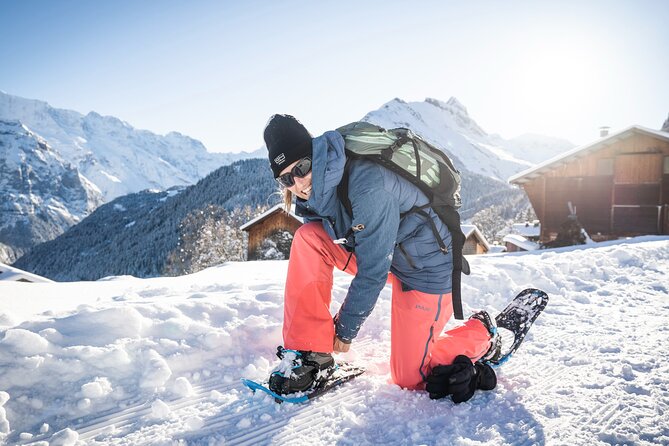
The walking portion lasts about 1.5 to 2 hours. You can expect a mix of snowy forest, open alpine meadows, and smaller winter paths that are easy to miss if you stay on normal roads or resort trails.
The forest section gives you the calmest part of the experience. Snow absorbs sound, and walking away from ski traffic changes the feel of the Alps. You are not watching downhill skiers cut across a slope or waiting in a lift line. Instead, you follow the guide through a quieter setting at a pace that allows time to look around.
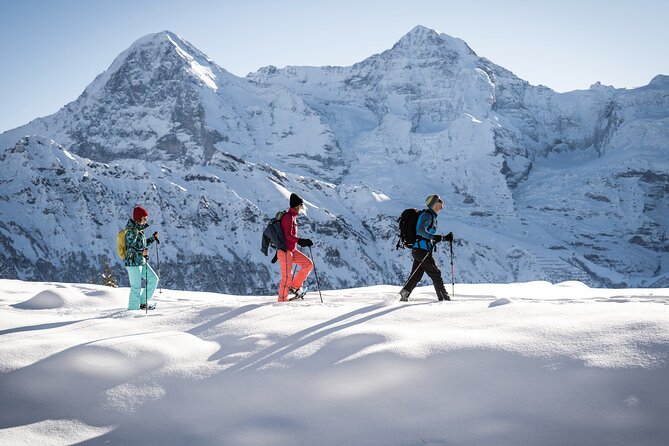
Open meadows provide the best chance for wider views. The main visual reward is the sight of the Eiger, Mönch, and Jungfrau peaks. These are not small background hills. They form one of the most recognizable mountain groups in Switzerland, and clear weather can make the walk feel far bigger than its physical difficulty suggests.
The route also passes traditional Swiss hamlets. This detail adds something that a standard mountain viewpoint often lacks. You see how settlement fits into the winter setting, rather than looking only at peaks from a platform.
Do not expect a long village tour or a full day of mountain hiking. The hamlets are part of the route, not a separate cultural program. Their value is in the contrast: snow-covered homes and paths, forest edges, meadows, and high peaks all appear within one short outing.
How hard is the walk?
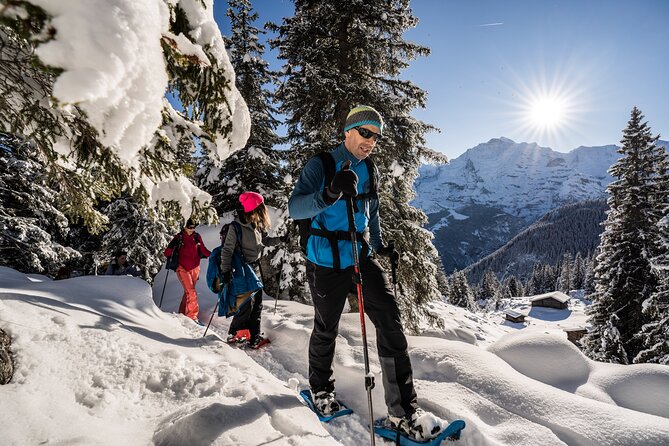
The activity is presented as easy, and it is suitable for people who have never snowshoed before. A beginner can learn the basic movement during the outing, and the guide controls the pace.
Still, you should plan for a real workout. One account described the route as physically demanding without being too much, while another called it a bit of a workout but worth the effort. That is the fairest way to think about it.
You may walk uphill, step through uneven snow, and use your poles for balance. The snowshoes help you avoid sinking deeply, but they do not make the terrain flat or remove the effort. If you are active and comfortable with a moderate walk, the outing should feel manageable. If you have mobility concerns or dislike walking on unstable surfaces, ask the provider for current route details before booking.
The minimum age is 8. Children under 12 must be accompanied by an adult. The phrase most people can participate is broad, so do not read it as a guarantee for every physical condition. The activity is easy for a snowshoe tour, not a seated sightseeing excursion.
The guides set the tone
A good guide matters more on a snow route than on an ordinary city walk. The guide needs to explain the equipment, watch the group, choose a safe route, and keep the pace comfortable.
Several guides receive specific praise for their handling of the outing. Konstantin is noted for his explanations and care with safety planning. Aleksei is praised for setting a balanced pace, neither rushing nor dragging the group. Danny led a later afternoon departure that included helpful transport and a relaxed atmosphere.
You should not expect the same guide on every departure. That is worth keeping in mind if you see a guide’s name associated with a particular date or past outing. The broader advantage is the provider’s guide team and small-group format, rather than one guaranteed individual.
The guide is also your best source of information about the area. You may hear about the surrounding peaks, local settlements, and the reason for route changes, though the exact commentary will depend on the day and the person leading the walk.
For solo visitors, this is a practical choice. Snowshoe routes are not always easy to follow, and winter conditions can make a simple path confusing. You get company, equipment, transport, and someone responsible for navigation. That is a strong reason to book rather than trying to find a route alone.
What the $130.45 price really covers
At $130.45 per person, this is not a bargain-priced walk. But the price includes several costs that can add up quickly if arranged separately: transport, a professional guide, snowshoes, poles, hiking boots, and snacks.
The value depends on what you want from your day. If you already own winter gear, know local trails, and can arrange transport, the price may feel high. If you are visiting Interlaken without snowshoes and want a safe introduction to the Alps, the package is easier to justify.
The short walking time is the main limitation. You are paying for a four-hour experience, but only 1.5 to 2 hours is spent on the snowshoe route. Some of the remaining time goes toward transport, fitting gear, and managing the group. That is reasonable for a guided mountain activity, but it is not the right choice if you want a long day of hiking.
I would compare it with the cost and effort of skiing. Skiing can require rentals, lift access, lessons, and more planning. Snowshoeing gives you mountain views and exercise with less technical skill. For someone who wants an alternative to skiing for one day, the price can offer fair value.
Snacks are included, but this is not described as a full meal. Bring water and any additional food you need, especially if you are sensitive to exercise or cold.
Weather, safety, and possible changes
This activity requires good weather. If poor conditions lead to cancellation, you are offered another date or a full refund. The same applies if the minimum number of participants is not reached, with the option of another activity or a refund.
The minimum booking requirement is important because a departure can be changed even if you are ready to go. One morning outing was unable to proceed because too few people had booked, but an afternoon option provided a replacement experience. If your schedule is tight, keep some flexibility around the booking.
Weather changes are not just an inconvenience in the Alps. Snow, visibility, and avalanche conditions can affect which route is safe. The guide team monitors the situation and keeps alternative plans available. That means the exact setting may change, but the priority is a responsible outing.
You can cancel for a full refund up to 24 hours before the start time. Cancellations or changes inside that window are not refunded or accepted. The cutoff follows local Swiss time, so check the timing carefully if you are booking from another time zone.
Who should book this outing?
I would choose this tour if you want a first snowshoe experience, prefer walking to skiing, or want a winter activity that does not require technical training. It is also well suited to solo visitors who want a social activity with transport and route planning taken care of.
Families can consider it for children aged 8 and above, with an adult required for anyone under 12. Keep in mind that young children must be comfortable walking in snow and managing a few hours of changing conditions.
The outing may not suit you if you want a long hike, a guaranteed route, or complete independence. It also may not be the best value if you already have snowshoes, winter boots, and strong knowledge of local trails.
Book as early as practical. The activity is commonly reserved about 22 days ahead, and small-group outings have limited space. If you need snow clothing, ask about rentals before the start date rather than waiting until you arrive.
My verdict on the Interlaken snowshoe adventure
I would book this if I wanted a simple, well-supported way to experience winter in the Swiss Alps without skiing. The strongest reasons are the quiet forest setting, the views toward the Eiger, Mönch, and Jungfrau, and the practical package of transport, equipment, and a guide.
The main tradeoff is clear: the walking portion is fairly short, and the price is not low. You are buying convenience, route knowledge, safety planning, and access to winter terrain rather than a full-day trek.
Choose it for a half-day introduction, especially if you are new to snowshoeing or traveling alone. Skip it if you want a long mountain hike or already have everything needed to explore independently. For the right visitor, it offers a calm and memorable break from Interlaken’s busier winter activities.
FAQ
Where does the snowshoe tour start?
The activity starts at Outdoor Interlaken Base, Industriestrasse 17, 3812 Wilderswil, Switzerland.
Where does the activity end?
The tour ends back at the meeting point.
How long does the experience last?
The total trip takes about four hours, including transportation. The snowshoe walking portion lasts around 1.5 to 2 hours.
What equipment is included?
Snowshoes, poles, and hiking boots are included. A professional guide and snacks are also provided.
Are snow clothes included?
Snow clothing, gloves, and goggles are not included. They are available to rent.
What is the minimum age?
The minimum age is 8. Children under 12 must be accompanied by an adult.
Can I cancel for a full refund?
Yes. You can cancel at least 24 hours before the experience start time for a full refund. If poor weather or too few bookings cause the provider to cancel, you are offered another date or a full refund.
Just added around Switzerland
- Zermatt: Private Ski Guide with Experienced Ski Instructor★ 5.0 · 2 reviews
- Private Zurich Airport Transport to your Ski Resort★ 5.0 · 11 reviews
- Beginners Ski Day Trip to Jungfrau Ski Region from Zurich★ 4.0 · 9 reviews
- Private Snowboarding Lessons – 3 Hours Zermatt★ 5.0 · 9 reviews
- Matterhorn Private Skiing Day Zermatt★ 5.0 · 9 reviews
- Half Day Morning Private Ski Lesson in Verbier★ 5.0 · 12 reviews
- Beginners Ski Day Trip to Jungfrau Ski Region from Lucerne★ 3.5 · 4 reviews
- Afternoon Beginner Package Ski in Interlaken★ 4.5 · 11 reviews
Interlaken Ski Trips, compared.
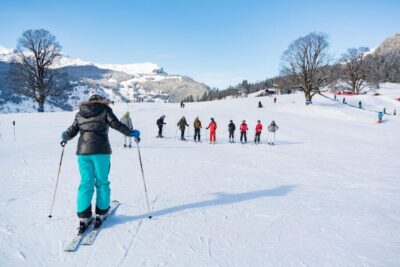
From Interlaken: Afternoon Ski Experience for Beginners
Read our review →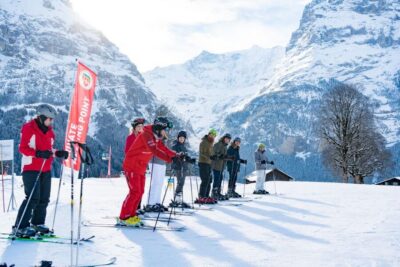
From Interlaken: 8-Hour Skiing in Grindelwald for Beginner’s
Read our review →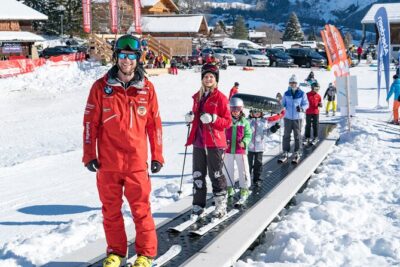
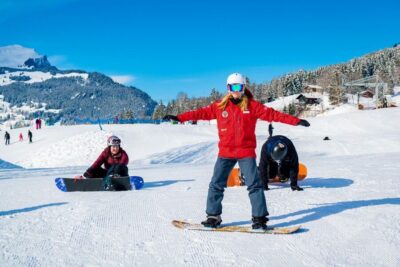
From Interlaken: Afternoon Beginners Snowboarding Lesson
Read our review →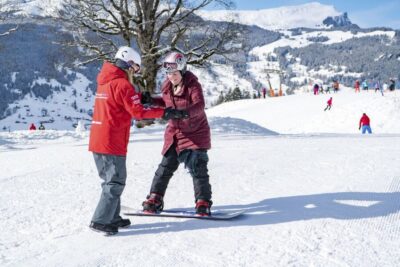
From Interlaken: Grindelwald Beginners Snowboarding Lesson
Read our review →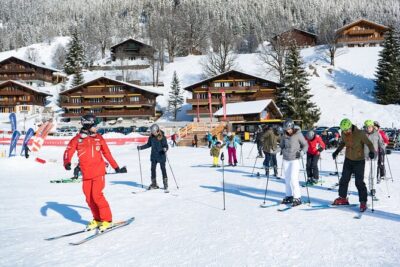
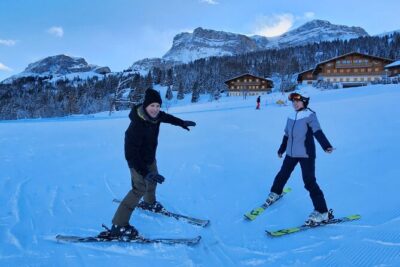
Fully organized Ski Experience for Private Groups
Read our review →
Interlaken: All-inclusive Half-day Ski Taster for beginners
Read our review →Browse the lists this tour appears in