
Review · JAPAN
Snowshoeing and Onsen Adventures in a Winter Wonderland -Sapporo.
The best part of this Sapporo outing is how quickly the city gives way to quiet forest. After a short private ride from Makomanai Station, you trade traffic and towers for deep snow, mountain views, animal tracks, and the soft hush of Hokkaido winter. I especially like the five-person maximum, which lets Chris adjust the route and pace rather than push everyone through the same fixed program. The included lunch and Koganeyu Onsen soak are two more fine touches.
There are a few things to weigh first. The 7:30am start is early, cold-weather clothing and suitable boots are your responsibility, and snowshoeing can feel harder than its easy-looking stride suggests. Weather may also change the route, or cancel the outing altogether.
At a glance
- Small group, maximum five: You get close attention from Chris and a better chance of a quiet trail.
- A real backcountry feel near Sapporo: The route leaves the city behind within about 30 minutes by private transport.
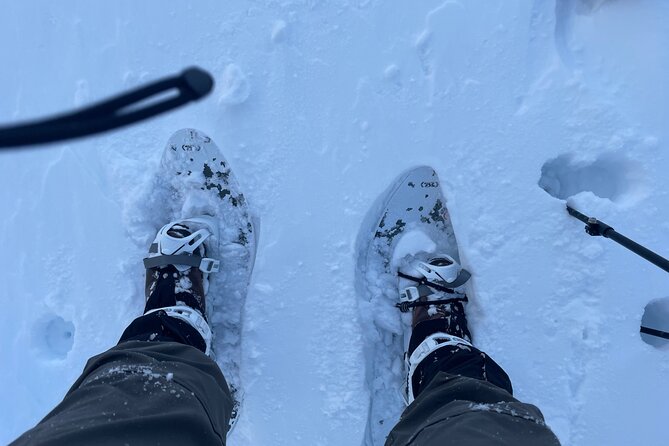
- Equipment is supplied: Snowshoes, trekking poles, and gaiters are included.
- Lunch breaks up the cold: Expect an included trail lunch, with curry, hot cocoa, or a camp-stove meal possible depending on the day.
- Koganeyu Onsen follows the hike: Admission is included, and Chris explains basic bathing etiquette.
- Difficulty is listed as 4 out of 10: Still, deep powder, slopes, and changing weather require steady walking ability.
Leaving Sapporo at 7:30am
Your morning begins at Makomanai subway station in Sapporo’s Minami Ward. This is a useful meeting point if you are staying in central Sapporo, since it is reached by public transportation and avoids the fuss of finding a remote trailhead on your own.
From the station, private transport takes roughly 30 minutes to the trail area. That short transfer matters. You do not spend half the morning on buses, and the guide can use the drive to check your clothing, answer questions, and make sure you are ready for the cold.
The tour lasts about five hours, but allow extra time for the ride, equipment fitting, lunch, and the onsen visit before returning to Sapporo. This is not a quick city add-on. It is a full morning and afternoon commitment, though that is exactly why it feels like a proper break from Sapporo.
More Snowshoeing Tours in Japan:
- Snowshoe Hike Tour from Sapporo include hotel p/up & drop off
★ 5.0 · 16 reviews - Nagano Snowshoe Hiking Tour
★ 5.0 · 14 reviews - 3.5hours Primeval Forest Snowshoe hike and Wildlife Watching Tour
★ 5.0 · 14 reviews
Snowshoes, poles, and a careful start
At the trailhead, Chris checks the equipment and gives a safety briefing before you set out. Snowshoes, snow trekking poles, and gaiters are included, which removes the need to rent the main technical items separately.
You must bring your own cold-weather clothing and footwear. This is important. Warm layers, gloves, a hat, and boots made for snowy conditions are not optional extras in Hokkaido. The gaiters help keep snow out around your lower legs, but they cannot make ordinary city shoes suitable for a forest hike.
The listed difficulty is 4 out of 10, and the experience is designed for ordinary walkers rather than expert mountaineers. Still, snow changes the work involved. Powder can swallow each step, uphill sections require a different snowshoe technique, and downhill travel takes care. Chris has shown people how to handle steep or slippery snow, but you should expect some exertion.
I like the way a small group changes the feel of this start. With no more than five people, the guide can check whether your pace is comfortable and adjust the route to the weather, snow, and fitness level in front of him. That flexibility is useful for beginners and for mixed-ability groups.
Forest trails, powder, and changing routes
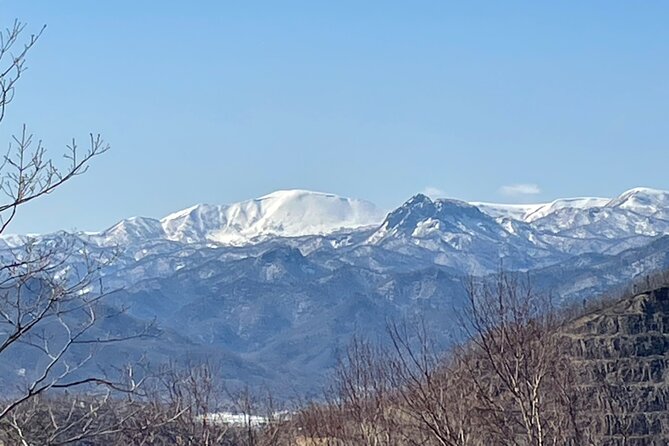
The main attraction is not a single famous viewpoint. It is the gradual change in scenery as you move through snow-covered forest away from the city. You may pass through deep powder, climb toward a ridge or summit, and stop to take in mountains, lakes, and broad winter views.
The exact route is not rigid. Different outings have included the Fujino area and Fujino Fuji, a 532-meter peak, as well as trails around Jozankei. One hike reached two small peaks, while another turned back below the summit because of heavy snow. That is worth understanding before you book: the experience is built around safe winter travel, not a guaranteed summit.
That approach is sensible. Snow can conceal crevices, streams, and uneven ground. A good guide avoids risky sections rather than treating the advertised route as a promise. Chris has adjusted hikes to fitness, snow depth, and weather, and that may mean a shorter route or a lower high point on the day.
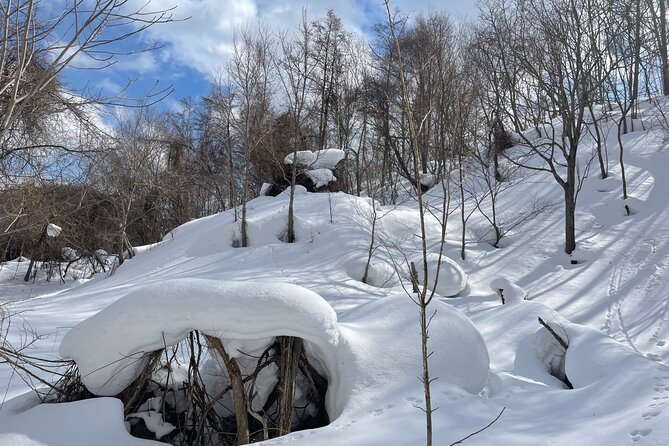
The scenery has plenty to reward a slower pace. You might see tracks from Japanese squirrels, raccoons, or foxes. Leafless trees open views that summer foliage can hide, while snow piled on branches gives the forest a clean, almost sculpted look. One of the finer details is the chance to stop moving and listen to birds in the quiet. This is not a sightseeing bus with a list of photo stops. The pleasure comes from noticing small signs of life and weather as you go.
The guide also brings local knowledge of Hokkaido trees and wildlife. You may learn about spruce and other northern species, or hear what to look for along the trail. Chris is described as friendly and easy to talk with, but not overly chatty, so the day can remain peaceful when the setting calls for silence.
Lunch in the snow
Lunch is included, and it gives the hike a welcome pause. Depending on the outing, that has meant pre-cooked curry, a packed meal, or a hot camp-stove lunch with cocoa. A warm meal after several hours in powder is not a minor detail. It helps you regain energy and makes the cold feel more manageable.
The lunch stop also gives you time to enjoy the setting instead of treating the forest as something to cross quickly. You may eat beside the trail in a quiet clearing, with snow around you and little sound beyond the weather.
There is one practical catch: stopping in winter can make you colder, especially if wind gusts arrive. Bring enough insulation for periods when you are not moving. The hike itself keeps you warm, but lunch requires an extra layer and a willingness to keep the break efficient.
Because the exact meal style can vary, do not treat the description as a restaurant lunch. This is trail food, valued for warmth and timing rather than presentation. Curry and hot cocoa are a particularly good match for a cold Hokkaido day.
More Hot Spring Stops in Japan:
- Snowshoe Adventures and Onsen Bliss Winter Escape in Furano
★ 5.0 · 12 reviews - Mt. Fuji Skiing Experience- YETI Ski Resort & Onsen Day Trip
★ 4.2 · 8 reviews - The Best of Bansko: Magical Snowshoeing Adventure & SPA
★ 5.0 · 39 reviews - Bansko: Easy snowshoeing Pirin National Park & thermal spa
★ 4.1 · 19 reviews
Koganeyu Onsen after the trail
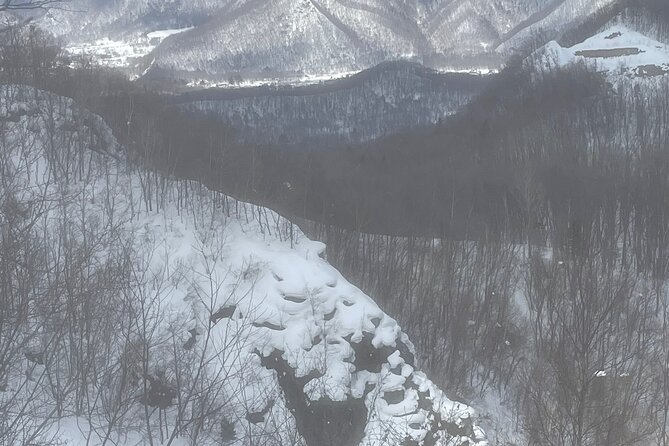
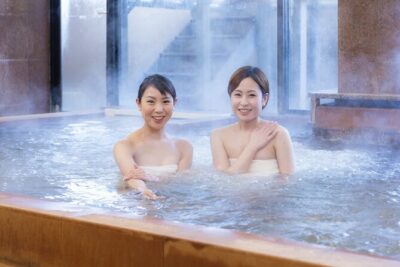
After the hike, you return to the vehicle and head to Koganeyu Onsen. The bath is the reward that makes this outing more than a standard winter walk. Muscles that worked through powder and slopes get a chance to relax, and the contrast between cold air and hot water is one of the classic pleasures of a Japanese winter trip.
Onsen etiquette can be unfamiliar if this is your first Japanese bath. Chris explains the basics, which is useful. You wash before entering the bath, keep towels out of the water, and follow the facility’s instructions. The admission fee is included, so you do not need to budget for an extra entrance ticket.
The setting has also been praised for its views, including a beautiful outlook toward a lake. That gives the bath more character than a basic indoor spa. You are not simply checking off an onsen visit. You are ending an active day in a place chosen for its surroundings.
Tattoo policies can make onsen planning awkward in Japan. The experience has accommodated a heavily tattooed participant by finding an onsen that allowed access, but you should discuss your situation with the provider before booking rather than assume every visit will work the same way.
After bathing, the group returns to Sapporo. The timing of the return can vary with trail conditions and the pace of the group, so leave your evening reasonably open.
Why the small group matters
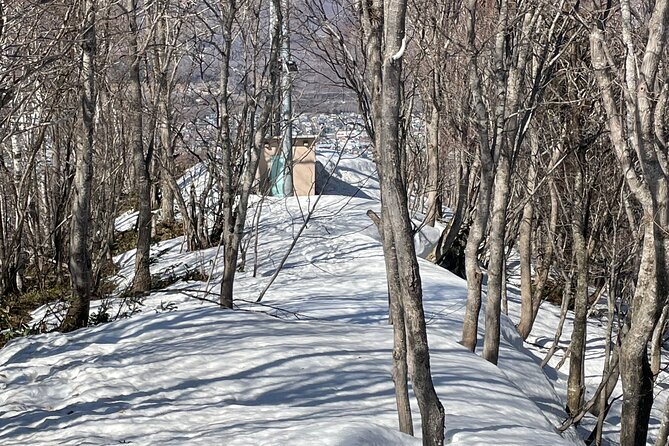
A maximum of five people is one of the strongest reasons to choose this outing. It allows Chris to tailor the hike rather than run a large procession through the snow. Beginners can receive help with snowshoe technique, while stronger walkers may still get a worthwhile route if conditions allow.
The guide’s communication is another practical strength. Clear instructions before the hike help you reach Makomanai Station and arrive with suitable clothing. During the outing, the pace can be checked and changed. That is especially useful if one person in your group is less confident on slopes.
Small groups also improve the quiet. A forest covered in fresh snow is easily spoiled by a loud crowd. With five or fewer people, you have a better chance of hearing birds, noticing animal tracks, and enjoying the stillness.
The limitation is that a small-group tour is not a private guarantee. You may share the day with other participants, and the final route must suit the whole group. If you want a demanding summit push, this may not be the right format. The guide’s priority is a safe and enjoyable outing for the people present.
Is $224.02 a fair price?
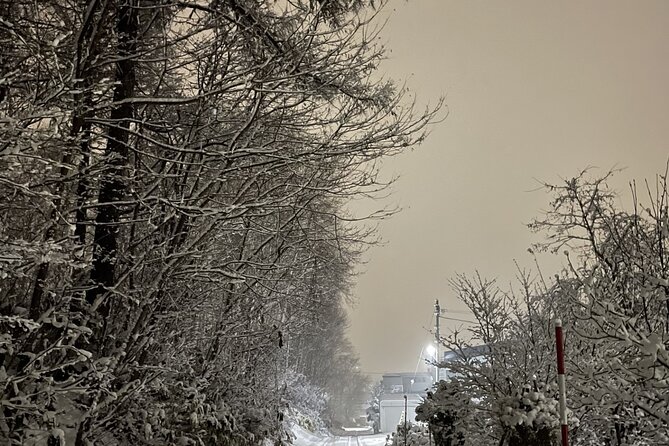
At $224.02 per person, this is not the cheapest way to see snow outside Sapporo. The value comes from what is bundled together: private transport from Makomanai Station, a guide, snowshoes, poles, gaiters, lunch, and onsen admission.
Renting gear, organizing transport to a winter trail, finding a suitable route, and arranging an onsen on your own can take more time than expected. This outing turns those separate jobs into one plan. You are paying for access to a route and for judgment about snow, safety, and timing, not just for equipment.
The price makes the most sense if you are visiting Sapporo without a car, are new to snowshoeing, or want a guide who can explain the area. It is less attractive if you already own winter gear, know the local trails, and are comfortable arranging your own transport and bath.
There are group discounts, and the tour has mobile ticketing. Free cancellation is available up to 24 hours before the start time. If bad weather forces cancellation, you can receive a different date or a full refund. Less than 24 hours before departure, cancellation and changes are not accepted.
What to bring and how to prepare
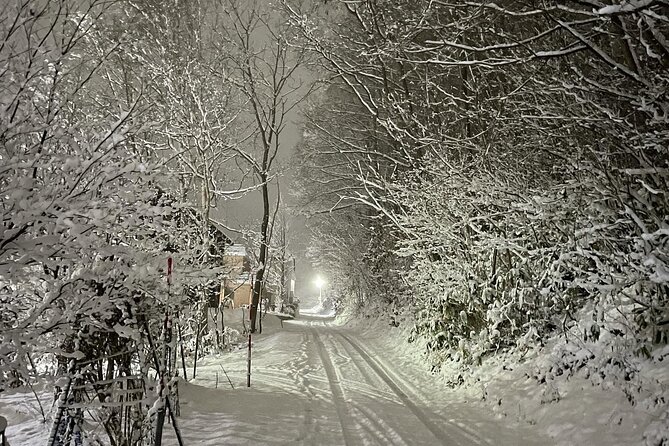
The supplied gear covers the items that are hardest for a first-time visitor to arrange. Your personal clothing still matters more than any piece of rented equipment.
Plan on:
- Warm, layered clothing suitable for long periods outdoors
- Waterproof or snow-ready hiking boots
- Gloves, a warm hat, and clothing that protects your face from cold wind
- Extra insulation for the lunch stop
- A change of clothes if you prefer to freshen up after the onsen
The tour information says most people can participate, but it does not mean the outing is effortless. You should be comfortable walking for several hours and managing snowy ground. Tell the guide about your pace and experience at the start. Chris has adjusted routes for beginners, slower walkers, and difficult weather, but honest communication helps him do that well.
Who should book this Sapporo winter outing?
I would choose this for someone who wants more than a quick snow photo near the city. It suits first-time snowshoers, couples looking for a memorable winter day, and active visitors who like a calm forest more than a crowded attraction.
It is also a strong choice for anyone who values a guide’s local judgment. The route may change, the summit may not be reached, and weather can alter the day. In return, you get a safer and more flexible outing than simply following a map into unfamiliar snow.
I would think twice if you dislike early starts, struggle with cold, or want a guaranteed destination. You also need to arrive properly dressed, since clothing and winter footwear are not included. The 4 out of 10 rating is fair as a general guide, but deep snow and slopes can make the day feel much tougher for some people.
Should you book it?
Book this tour if you want a small, personal winter adventure close to Sapporo, with equipment, lunch, transport, and an onsen handled for you. The strongest combination is the quiet snowshoe route followed by Koganeyu’s hot baths, with Chris able to adjust the day to the group.
Skip it if your priority is a fixed summit, a late start, or a low-cost walk. For everyone else, this is one of the better ways to see Hokkaido’s winter woods without spending a full day planning the practical details yourself.
FAQ
Where does the snowshoeing tour begin?
The meeting point is Makomanai Subway Station in Minami Ward, Sapporo. The start time is 7:30am.
How long does the experience last?
The snowshoeing activity is about five hours, including a lunch stop. You should allow additional time for transport to the trailhead, the onsen visit, and the return to Sapporo.
How many people can join?
The group has a maximum of five participants.
Is transport to the trail included?
Private transport takes the group from Makomanai Station to the trailhead and back toward Sapporo after the onsen.
Are snowshoes and poles provided?
Yes. Snowshoes, snow trekking poles, and gaiters are included.
What do I need to bring?
Cold-weather clothing and hiking footwear suitable for snowy conditions are not included. You need to provide those yourself.
Is lunch included?
Yes. Lunch is included during the hike. The exact style can vary, and has included curry, packed food, or a hot camp-stove meal.
Which onsen does the tour visit?
The itinerary identifies Koganeyu Onsen as the onsen stop. Admission is included.
What happens if the weather is bad?
The experience requires good weather. If it is canceled because of poor weather, you can choose another date or receive a full refund.
Just added around Japan
- Private ski lesson for family or group(Transport included )★ 5.0 · 2 reviews
- Full Day Snowboard Lesson (6 hours)★ 5.0 · 3 reviews
- First snow play & snowshoe★ 5.0 · 2 reviews
- Full Day Ski Lesson (6 hours) in Yuzawa, Japan★ 5.0 · 12 reviews
- EN/CN Guided Snowshoeing and Snow Monkey Tour in Nagano★ 5.0 · 2 reviews
- 3 hours Snowshoe hike to “Furepe fall” and Wildlife Watching★ 5.0 · 9 reviews
- 4.5 hours Snowshoe hike in Shiretoko five lakes★ 4.5 · 2 reviews
- Snowshoe Hiking Tour in Tazawako★ 5.0 · 4 reviews
Japan Ski Trips, compared.
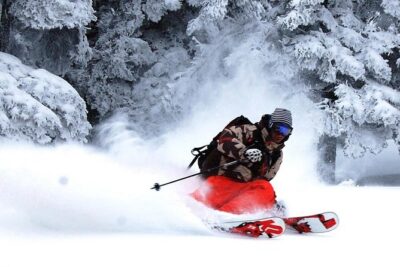
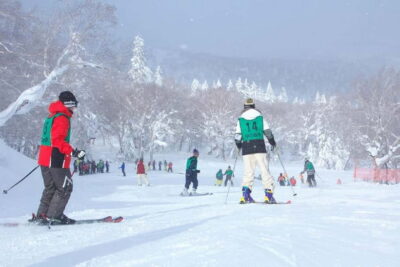
Nagano: 1-Day Ski Tour Package from Nagano Station
Read our review →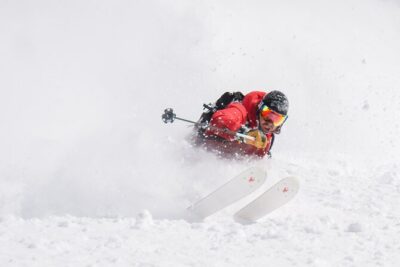
Ski or Snowboard Lesson in Shiga Kogen (4Hours)
Read our review →
Full Day Private Skiing / Snowboarding Tour in Sapporo
Read our review →
From Tokyo: Fujiyama Snow Resort Yeti Winter Ski Day Tour
Read our review →
Sapporo: Otaru Asarigawa Ski Resort Day Trip with Gear
Read our review →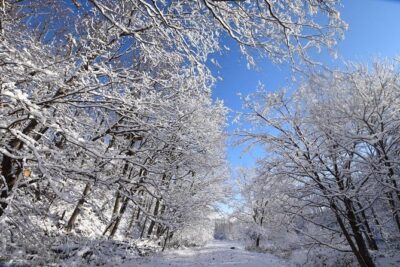
Snowshoe Hike Tour from Sapporo include hotel p/up & drop off
Read our review →Browse the lists this tour appears in