
Review · WHISTLER
Whistler: Backcountry Snowshoeing Tour with Guide
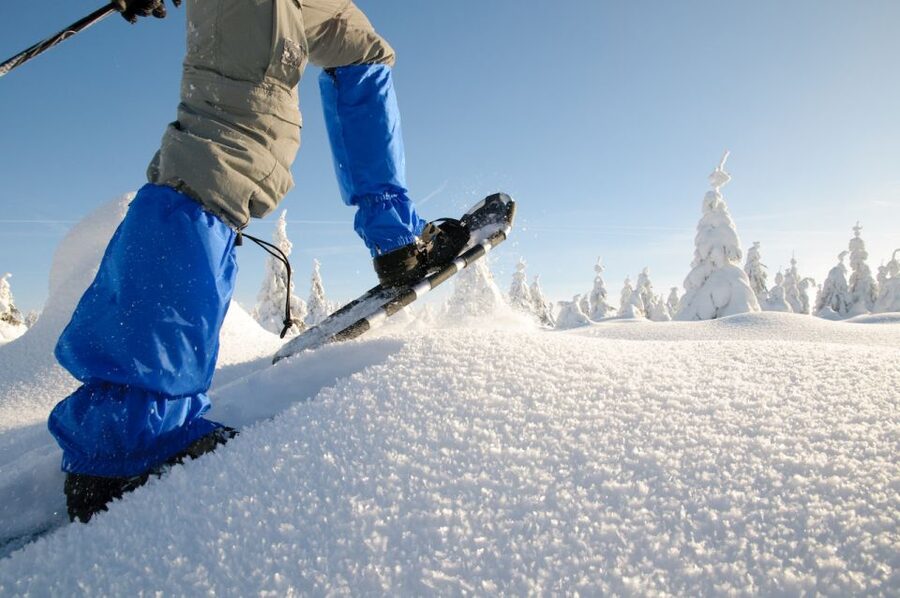
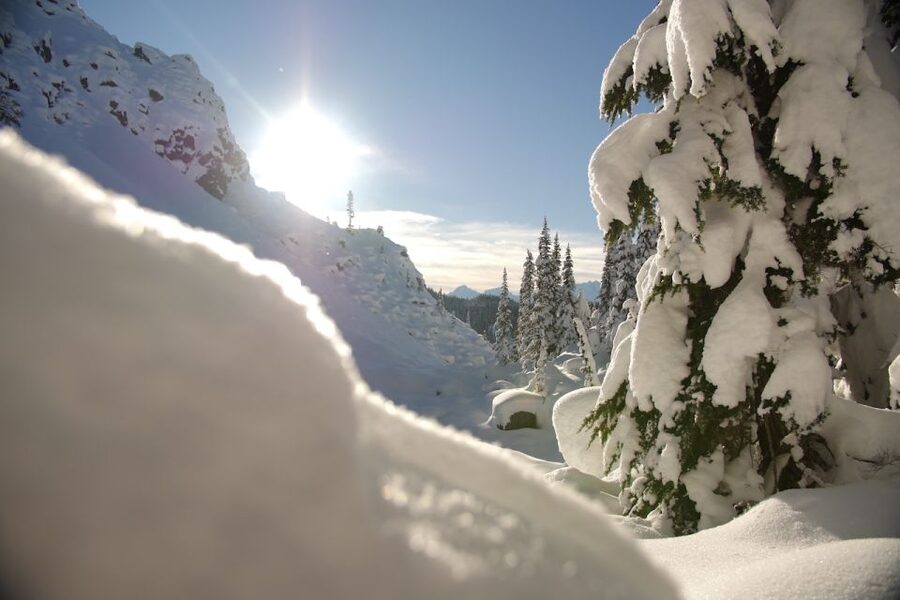
Whistler’s backcountry looks completely different under snow. On this guided outing, you leave the resort atmosphere behind for old-growth forest, ancient cedars, frozen lakes, rocky volcanic terrain, and quiet viewpoints. The best part is the choice of routes: you can take a gentle family-friendly walk at Lava Lake or aim for the bigger views at Garibaldi Lake.
I like the small groups of up to eight, since that gives your guide room to adjust the pace and explain what you are seeing. I also like the relaxed approach. This is not a race through the woods. Guides such as Lindsey, Nick, and Jen have been praised for being friendly, encouraging, and attentive. The main drawback is that the experience can last anywhere from four to eight hours, and some route options require a steady uphill walk.
Key points to know
- Four distinct route choices: Pick from Crater Rim, Garibaldi Lake, Joffre Lakes, or the easier Lava Lake trail.
- Ancient cedar forests: Expect snow-covered trees, geologically unusual ground, and a peaceful winter setting.
- Small groups: A maximum of eight people allows for a more personal outing than a large coach-style excursion.
- Professional English-speaking guide: Guides including Lindsey, Nick, and Jen have been praised for their friendly manner and helpful nature.
- Bring your own boots if possible: Hiking boots can be provided, but poorly fitted footwear may cause blisters.
- Good booking flexibility: You can cancel up to 24 hours ahead for a full refund and reserve without paying immediately.
Choosing the right Whistler snowshoe route
The most important decision is not the date or even the price. It is the route. These outings share the same basic idea, but the physical effort and scenery vary a lot.
Lava Lake is the easiest choice for families and beginners. The trail stays at a lower level and passes snow-dusted trees, small ponds, bridges, and the Whistler Bungee Bridge. You get a genuine winter walk without committing to a long, demanding climb. If this is your first time on snowshoes, or if you want something manageable for a mixed-ability group, this is the sensible option.
Crater Rim offers a good middle ground. The trail begins on rocky ground toward Logger’s Lake and gains height quickly. As you climb, views of the valley begin to appear through the trees. The route then levels out as you enter thicker forest, leading to a scenic view of Logger’s Lake and the surrounding area. You get both a little uphill effort and a clear visual reward.
Garibaldi Lake is the bigger undertaking. The trail climbs on sharp switchbacks toward a large glacier-fed alpine lake in a deep basin. Along the way, you pass the Barrier lookout, a huge wall of crumbling lava connected to the area’s volcanic geology. This route is best for you if a longer, more sustained uphill walk sounds appealing rather than intimidating.
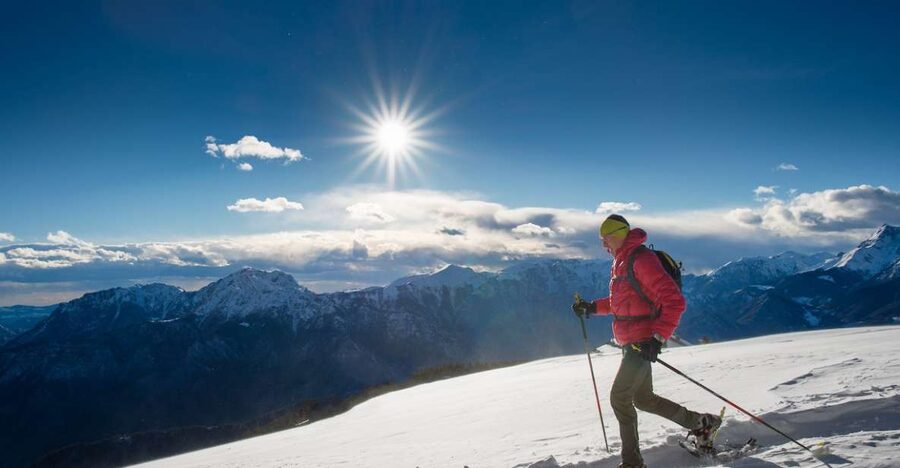
Joffre Lakes changes character in winter. The famous turquoise water is hidden beneath ice and snow, so you should not expect the classic summer view. Instead, the attraction is the stillness of the frozen lakes, low winter sunlight, and snow-covered trees that catch the light. It is a quieter, softer experience, with beauty that comes from atmosphere rather than bright water.
More Backcountry and Ski Touring in Canada:
- Whistler Intro to Backcountry Skiing and Splitboarding
★ 5.0 · 23 reviews - Coast Mountain Backcountry Snowshoe Tours
★ 5.0 · 10 reviews - Backcountry skiing adventure
★ 5.0 · 34 reviews
Walking among ancient cedars and volcanic rock
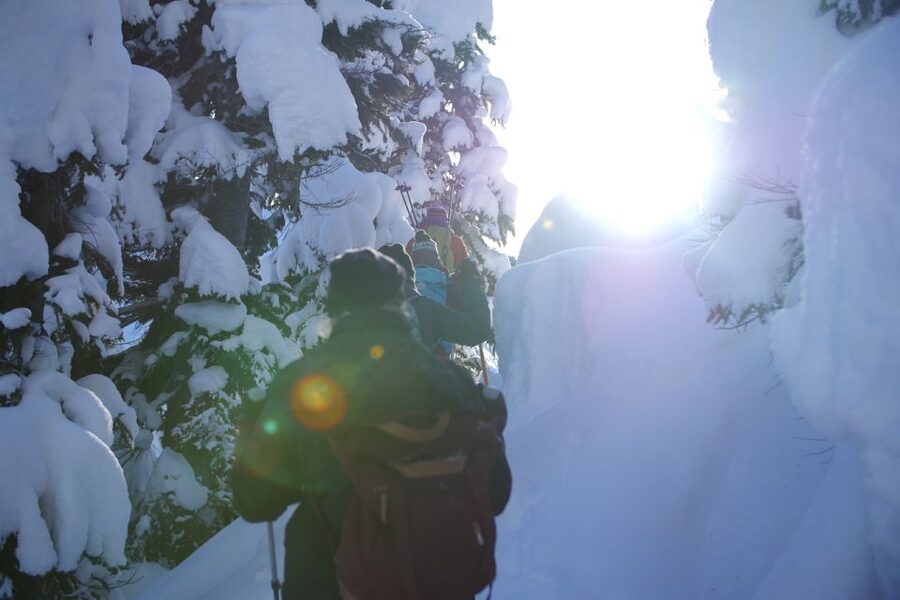
The old-growth forest is the common thread through the outing. Snow settles on the branches, muffles sound, and makes the woods feel far removed from Whistler’s busy village. Ancient cedars give the walk a sense of age and scale that you do not get on a simple groomed resort path.
The geology adds another layer. At some route choices, you move through terrain shaped by volcanic activity, with exposed rock, lava formations, and steep natural walls. The Barrier near Garibaldi Lake is the clearest example. It is not just a viewpoint for taking pictures. It helps explain why the lake sits where it does and why the surrounding terrain has such a dramatic shape.
A guide matters here because snow can hide trail details and make familiar ground look new. Your guide leads the way, keeps the outing organized, and adds context about the forest and terrain. The goal is not to turn the day into a geology lecture. It is to help you notice more than you would on your own.
The pace is intended to be relaxed and enjoyable. That does not mean every route is easy. Garibaldi Lake and some of the other longer choices still involve sustained walking and uphill sections. It means the outing is built around enjoying the setting, not squeezing the maximum distance out of every hour.
What the day feels like on the trail
Your exact start time and meeting point depend on the option you book. The stated duration ranges from four to eight hours, so check the selected route carefully before you reserve. A four-hour outing and an eight-hour backcountry day require very different planning for food, clothing, energy, and transportation.
Once on the trail, expect a steady walking rhythm rather than a series of formal stops. You move through the forest, pause at viewpoints or notable features, and continue toward the chosen destination. The guide can help set a pace that works for the group, but you should still be prepared to walk for several hours in snow.
The small-group limit is useful in practical ways. A group of eight can move more easily through a narrow trail, and you are less likely to spend the day waiting for a large line of people. You also have a better chance to ask questions or request a short pause without feeling lost in the crowd.
The English-speaking guides are a major part of the experience. Lindsey has been praised for explaining nature while keeping the outing fun. Nick was described as experienced, friendly, and easygoing, while Jen was credited with taking a group to a beautiful park and handling the day well. Guides can vary by date, so you should not book on the assumption that one particular person will lead your outing.
One useful practical detail came from a guest who received a lift home from the guide. Treat that as a kind gesture, not a promised transfer service. The meeting point can vary by option, and transportation arrangements should be confirmed before you go.
Comparing the four route options
More Snowshoeing Tours in Canada:
- Medicine Trail Snowshoe Tour
★ 5.0 · 279 reviews - Quebec City: Jacques-Cartier National Park Snowshoeing Tour
★ 4.7 · 127 reviews - Snowshoeing with mountain goats Private activity
★ 5.0 · 104 reviews - Snowshoeing Tour to the Paint Pots
★ 5.0 · 60 reviews
Lava Lake for a gentler first outing
Lava Lake is the clearest pick for beginners. The low-level trail reduces the physical demand, while bridges and ponds keep the walk interesting. The Whistler Bungee Bridge adds a memorable feature without requiring you to tackle a major alpine climb.
This route also makes sense for families with older children, though children under eight are not permitted on the activity. It is still a snowshoe walk, so you need warm clothing and suitable boots. Easy does not mean indoor comfort.
Crater Rim for views without an all-day push
Crater Rim begins with a rocky trail and a quick gain in elevation. That early climb gives you valley views sooner than you might expect. After the route enters the forest and levels out, the view toward Logger’s Lake becomes the reward.
I would choose this route if you want a scenic outing with some uphill work but do not specifically need a long alpine hike. The terrain may feel more demanding than Lava Lake, especially in deep or uneven snow, but the route offers a satisfying balance between effort and scenery.
Garibaldi Lake for a serious winter hike
Garibaldi Lake is the route to consider if you want the most ambitious day. Sharp switchbacks make the climb clear from the beginning. The lake itself is large, glacier-fed, and set in a deep basin, while the Barrier lookout adds dramatic volcanic scenery on the way.
The tradeoff is simple: more effort, more time, and a greater need for proper clothing and footwear. You should choose it because you are comfortable with a sustained incline, not just because the lake name is famous. In winter, the view will be shaped by snow and ice rather than the bright summer colors you may have seen in photographs.
Joffre Lakes for winter quiet
Joffre Lakes offers a different kind of reward. The frozen lakes hide the turquoise water that draws summer crowds, but snow and low sunlight create a calm, glowing setting among the trees.
This is a good choice if you value mood, silence, and winter forest scenery. It may disappoint you if your main goal is to see the lakes in their famous bright blue form. The season changes the experience, and that is the point.
What to wear and what to carry
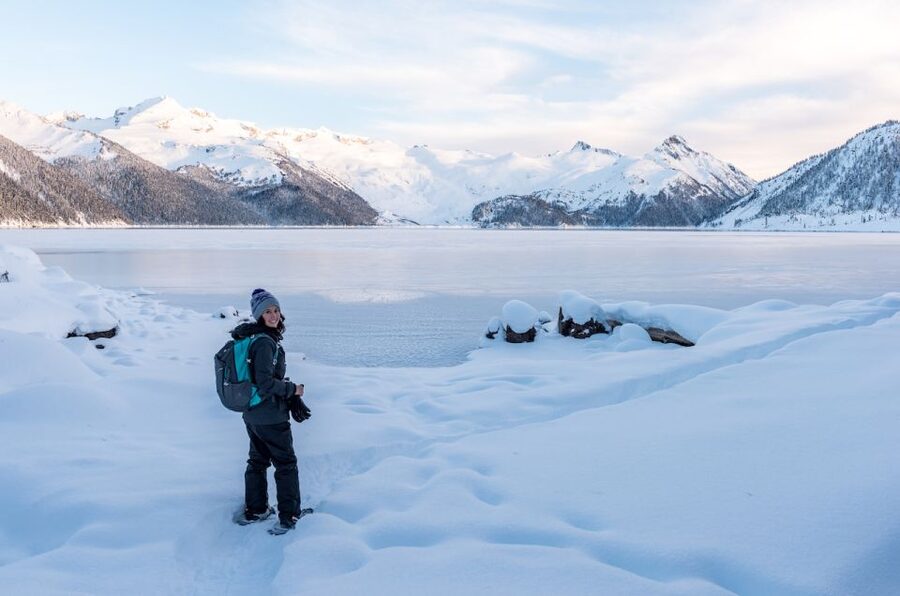
Bring warm clothing and snow clothing. That sounds obvious, but the difference between a pleasant day and a miserable one is often what you wear on your feet and how well you manage moisture.
Hiking boots may be available, but bringing your own is strongly recommended. Boots that do not fit your feet properly can cause blisters, and a blister becomes a serious problem on a four to eight hour outing. Use footwear you already trust if you have it.
Dress for movement rather than standing still. You will be walking most of the time, and one Mexican guest noted that the cold was manageable because the group stayed in motion. Still, temperatures and conditions vary, so do not rely on movement alone. Warm layers and proper snow clothing give you options if you stop at a viewpoint or the pace slows.
Your reservation information should tell you what is included beyond the guide. The listed inclusion is a professional guide, so do not assume that food, specialized clothing, or personal equipment is supplied unless your particular option says so.
Is the $91 price good value?
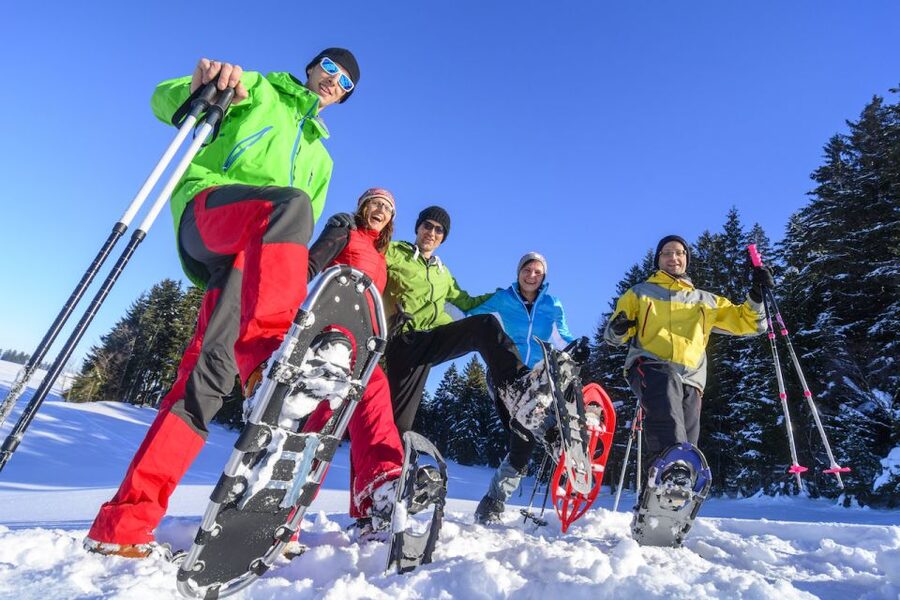
At $91 per person, this is not the cheapest way to take a walk in the snow. You are paying for more than access to a trail, though. The price includes professional guidance, route selection, safety support, and the chance to reach places where winter conditions can make independent navigation harder.
The value improves if you are new to snowshoeing or unfamiliar with Whistler’s backcountry. A guide can keep the group moving, explain the area, and help you choose a route that matches your ability. The small-group limit also gives the outing a more personal feel than a large organized excursion.
The value is less convincing if you already know the local trails, own snowshoes, and prefer to walk alone. In that case, you may be paying mainly for companionship and guidance you do not need.
Duration matters here. A four-hour outing at $91 is a different deal from an eight-hour outing at the same listed price. Check the exact option and route before comparing it with other Whistler activities. For many visitors, the combination of several hours outdoors, a skilled guide, and access to old-growth forest makes the price reasonable.
Who should book this experience?
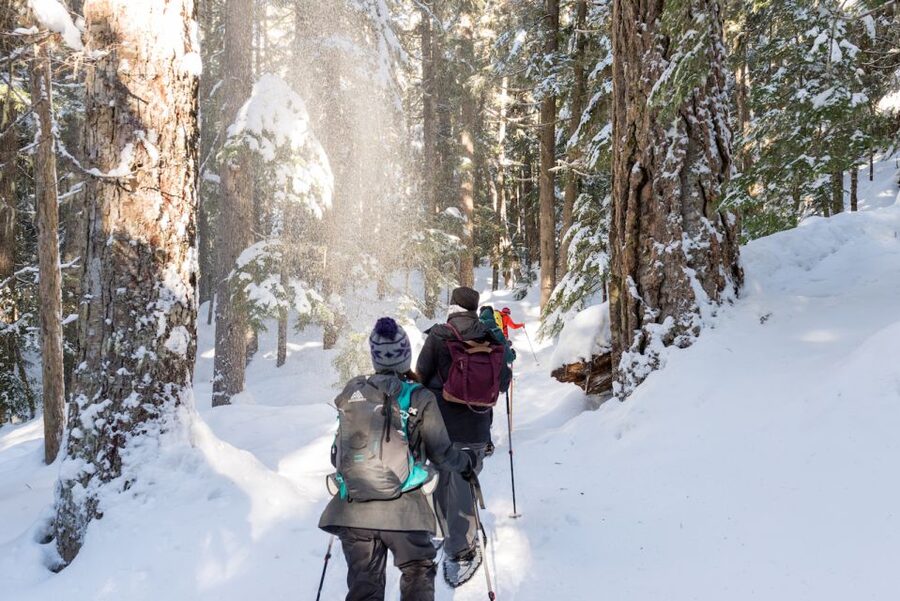
I would recommend it for adults and children eight or older who want a winter activity away from ski runs. It suits first-time snowshoers, couples, small friend groups, and families choosing the easier Lava Lake route.
It also works well for you if you want scenery but do not want to organize every detail yourself. The guide handles the route and provides a reassuring presence while you concentrate on walking and looking around.
Choose carefully if your group has mixed fitness levels. Lava Lake is the safest starting point for beginners, while Garibaldi Lake asks more from you. The duration can stretch to eight hours, so make sure everyone in your party is comfortable with a long day outside.
This is not a good choice for children under eight, and it is not ideal if you dislike cold weather, snow, or long walks. It is also not the right activity if you want a fast-paced challenge with technical instruction. The emphasis is on scenery, nature, and a steady pace.
Booking details worth checking
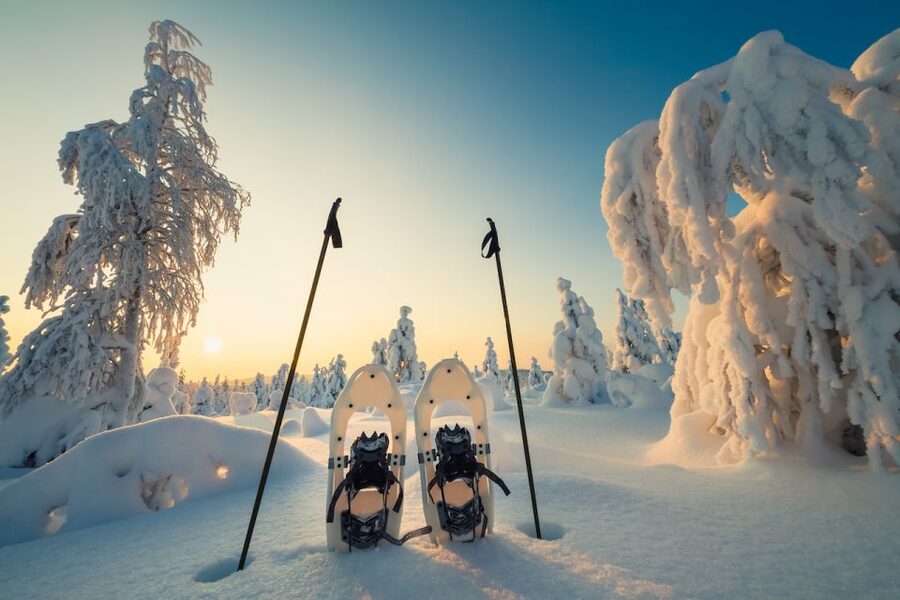
The meeting point may change according to the option you select. Check it closely and allow enough time to arrive prepared, particularly if you are staying away from central Whistler.
The activity is conducted in English, and the maximum group size is eight. You can cancel up to 24 hours before the start for a full refund, and the reserve-now, pay-later option gives you some flexibility while you finalize your winter plans.
Before booking, confirm three things: the route, the duration, and the footwear plan. Those details will tell you more about the day than the general tour title.
Should you book the Whistler backcountry snowshoe tour?
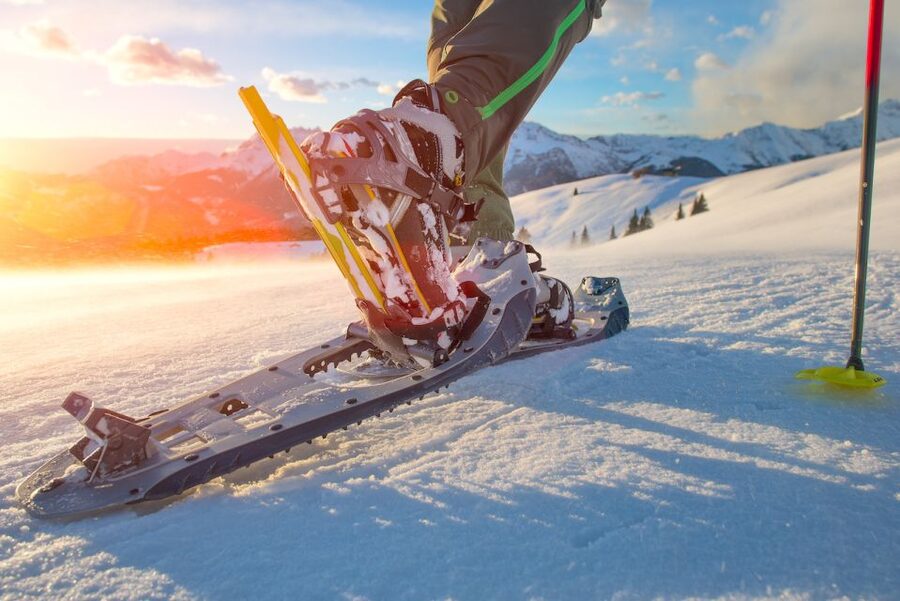
Book it if you want a guided winter walk through ancient forest, prefer a small group, and like having several route styles to choose from. The strongest reasons are the old cedars, the unusual volcanic terrain, and guides who bring a friendly, encouraging tone to a long day outdoors.
Start with Lava Lake if you are new to snowshoeing or want a family-friendly outing. Choose Crater Rim for a balanced walk with valley and Logger’s Lake views. Pick Garibaldi Lake for a more demanding climb, or Joffre Lakes for quiet winter beauty rather than turquoise water.
Skip it if you want a short, effortless activity or if you are unwilling to prepare properly for snow. With well-fitting boots, warm layers, and the right route, this offers a rewarding way to see a quieter side of Whistler at a sensible pace.
FAQ
How long does the snowshoe tour last?
The duration is between four and eight hours, depending on the option booked. Check the selected route and availability for the exact timing.
Which snowshoe routes are available?
The options include Crater Rim, Garibaldi Lake, Joffre Lakes, and Lava Lake. A private snowshoe guide option is also available.
Is the tour suitable for children?
Children under eight are not permitted. Lava Lake is described as suitable for families and beginner snowshoers.
Is a guide included?
Yes. A professional English-speaking guide is included, and groups are limited to eight participants.
Should I bring my own hiking boots?
Yes, if possible. Hiking boots can be provided, but bringing boots that already fit you well is recommended because unsuitable boots can cause blisters.
Can I cancel for a refund?
You can cancel up to 24 hours in advance for a full refund. You can also reserve now and pay later.
Just added around Canada
- Whitehorse: Half-Day Snowshoeing Tour★ 5.0 · 6 reviews
- Yukon Snowshoeing Adventure | half day★ 5.0 · 5 reviews
- Whistler Development Snowboard Rental Package★ 5.0 · 7 reviews
- Whistler Premium Snowboard Rental Package★ 5.0 · 3 reviews
- Coast Mountain Backcountry Snowshoe Tours★ 5.0 · 10 reviews
- Snowshoeing at The Top of The Sea to Sky Gondola★ 5.0 · 5 reviews
- Snowshoeing In Vancouver’s Winter Wonderland★ 5.0 · 11 reviews
- Private Singhampton Caves Snowshoe, Collingwood/Blue Mountain★ 5.0 · 7 reviews
Whistler Ski Trips, compared.
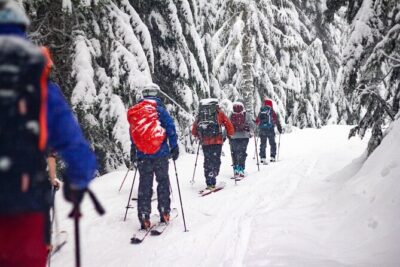
Whistler Intro to Backcountry Skiing and Splitboarding
Read our review →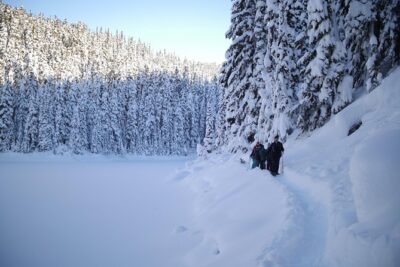
Browse the lists this tour appears in