
Review · JAPAN
Noboribetsu: Orofure Pass Snowshoeing Tour
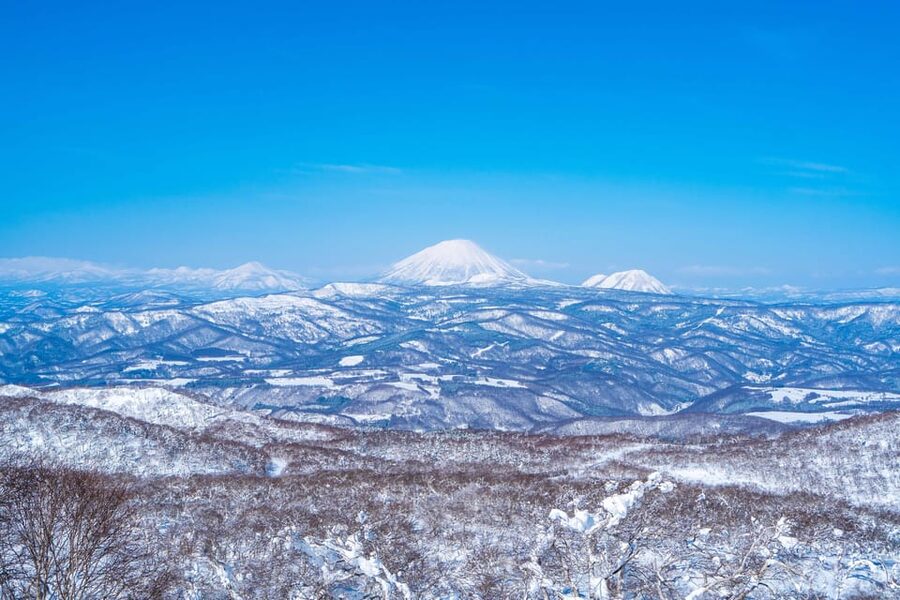
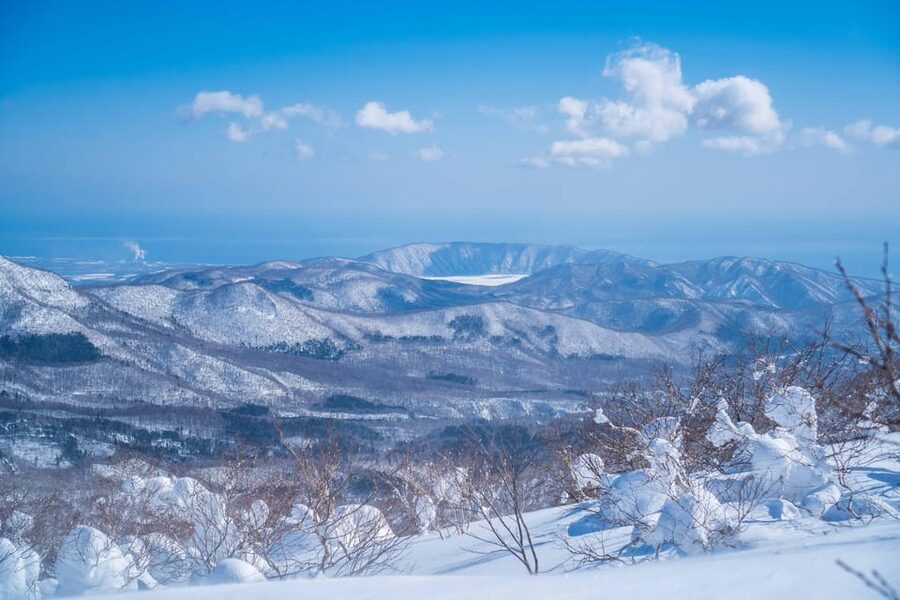
Orofure Pass is where Hokkaido winter feels most wild. Heavy snow coats the trees until their branches swell into strange white shapes called snow monsters, and you reach them on snowshoes rather than from behind a viewing window. The route also climbs toward a ridgeline with views of Mt. Orofure, Mt. Yotei, and Lake Toya when the weather is clear.
I like two things right away: the small group is limited to seven, and Aidan gives beginners patient instruction before the walking gets serious. I also like the personal touches reported on several outings, including homemade sandwiches or cookies, photographs, flexible transport help, and even an occasional drop-off at an onsen.
The catch is that this is a real mountain walk, not a gentle stroll. You need to manage uneven uphill and downhill ground in winter clothing, and cloud, wind, or snow can hide the views or stop the tour altogether.
Key points at a glance
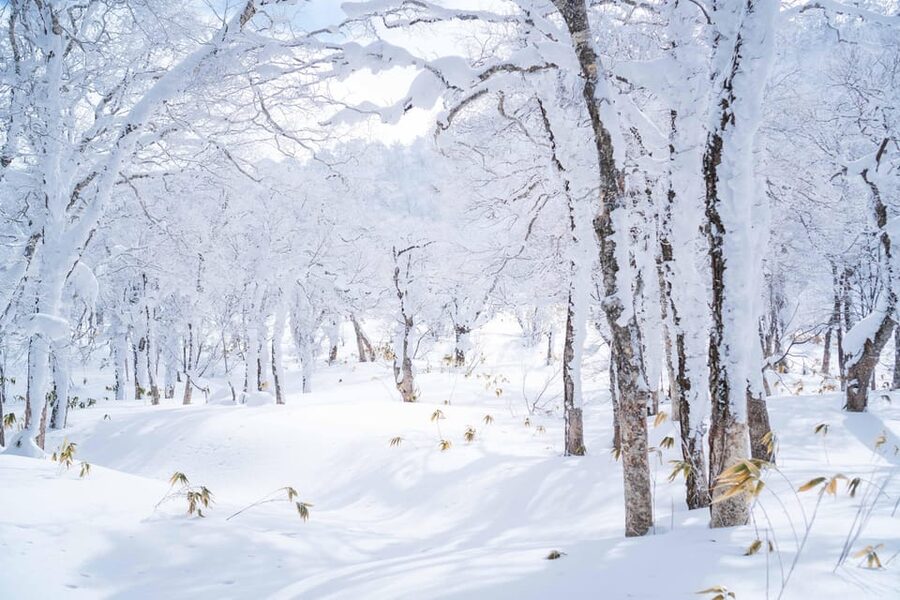
- Snow monsters at Orofure Pass: Walk beneath trees shaped by heavy frozen snow, a sight closely tied to Noboribetsu’s winter.
- A five-hour mountain outing: The route includes forest, ridgeline, viewpoints, a sheltered food stop, and the return walk.
- Aidan leads the walk: His instruction, friendly conversation, and attention to first-time snowshoers are central to the experience.
- Views depend on mountain weather: On a clear day, you may see Mt. Orofure, Mt. Yotei, and Lake Toya.
- Useful equipment is supplied: Snowshoes, poles, gaiters, a hot drink, and a snack are included.
- You need proper winter gear: Bring warm layers, gloves, a hat, water, a daypack, and a windproof jacket. Leave jeans at the hotel.
Why Orofure Pass makes a fine winter outing
Noboribetsu is best known for its hot springs and volcanic scenery, but Orofure Pass gives you a different side of the area. It is only about 30 minutes from town, yet the setting feels far more remote once you trade the road for a snowy forest.
The pass receives heavy powder snow. When that snow freezes onto tree branches, it builds bulky white forms that locals call snow monsters. These are not the giant ice figures associated with ski resorts farther north, but they have the same strange charm. The trees look bent, padded, and almost alive.
I like that you do not simply stop at a roadside viewpoint and take a photo. You walk into the forest, gain height, and see how the snow changes the trees around you. Snowshoes spread your weight across the powder, allowing you to move beyond the packed paths that most winter visitors use.
That also means the scenery comes with effort. You will walk up and down uneven terrain for several hours. The route is suitable for a reasonably fit adult who can handle a winter hike, but it is not a good match for someone looking for a low-effort sightseeing trip.
More Snowshoeing Tours in Japan:
- Snowshoeing and Onsen Adventures in a Winter Wonderland -Sapporo.
★ 5.0 · 30 reviews - Snowshoe Hike Tour from Sapporo include hotel p/up & drop off
★ 5.0 · 16 reviews - Nagano Snowshoe Hiking Tour
★ 5.0 · 14 reviews
Meeting Aidan and starting with the right technique
Aidan leads the tour for Nobo Tours, with English and Japanese available. The small group size matters here. With no more than seven participants, the guide can watch how you move, answer questions, and adjust the pace more easily than on a large coach excursion.
If this is your first time snowshoeing, do not worry about arriving as an expert. Aidan has helped beginners learn how to use the snowshoes and poles, and he takes time to help people feel comfortable before the walk gets more demanding. That early advice is useful because snowshoes feel awkward for the first few minutes, especially when you are stepping over uneven snow or turning on a slope.
Pick-up and drop-off are included. Look for a grey or black Mitsubishi Delica with license plate 207, and tell Nobo Tours the name of your hotel or accommodation. This is a practical benefit in winter, when reaching a mountain pass by public transport may be difficult.
Some outings have included extra transport help. Aidan has picked up a guest from a hotel farther away than the usual meeting point and dropped another person at a station or onsen that suited the rest of the day. Treat that as a kindness rather than a guaranteed part of the package, but it gives you a sense of the flexible approach.
Through the forest on snowshoes
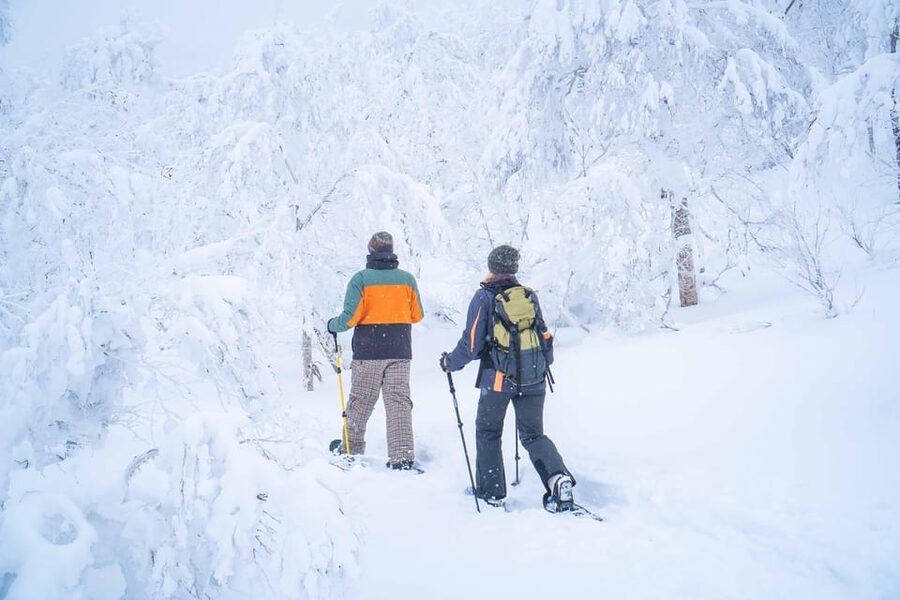
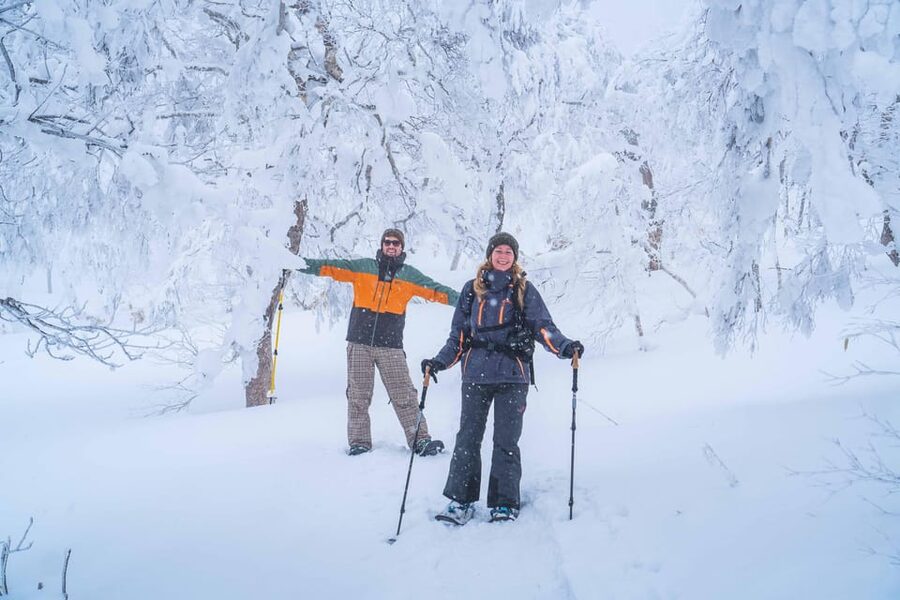
The walk begins in a forest setting, where the snow muffles sound and makes the route feel removed from Noboribetsu’s busy hot spring district. Your snowshoes, poles, and gaiters are supplied, so you do not need to bring those bulky items from home.
The gaiters are especially useful in deep powder. They help keep snow from working its way into your boots and lower trousers. You still need suitable footwear, though. The tour does not provide clothing or shoes, and ordinary city sneakers are not a sensible choice for a cold mountain walk.
As you move through the trees, the work comes in short stages. Snowshoeing is not technically difficult for most active adults, but it uses your legs in a different way from normal walking. You may sink slightly, lift the snowshoe over buried branches, and work harder on the climbs.
Your poles help with balance, particularly on descents. Follow the guide’s advice rather than rushing downhill. A careful pace will save energy and reduce the chance of catching a snowshoe or slipping on uneven ground.
The route is more rewarding than a flat snowfield because it gives you changing views and a better sense of the forest. You also get the quiet that makes a winter walk special. The trade-off is that the same snow and uneven ground make the activity tiring if your fitness is low.
Reaching the ridgeline and the snow monsters
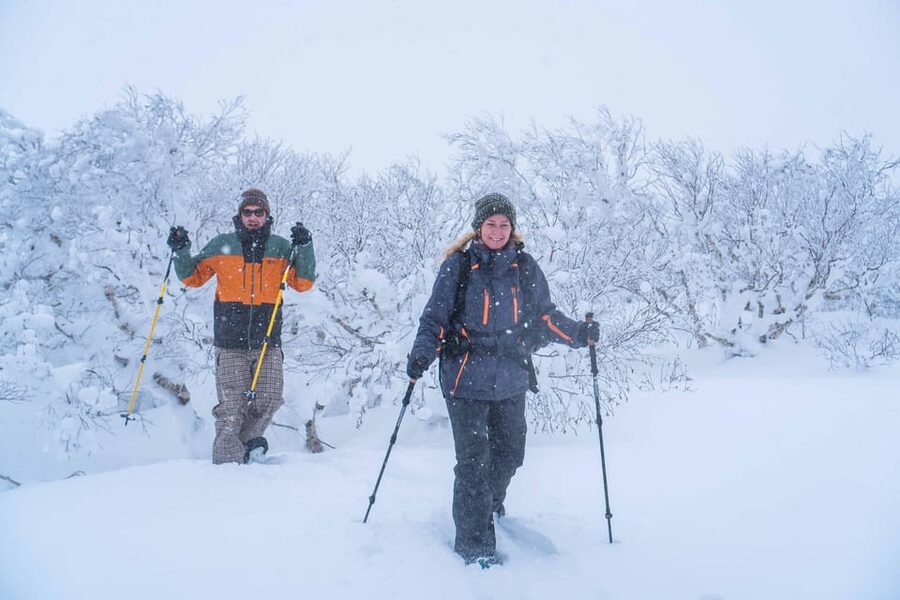
The main visual reward comes as you climb toward the ridgeline. Here, snow-loaded trees take on their most unusual shapes. Branches disappear under frozen layers, and the forest becomes a series of rounded white forms rather than familiar trunks and limbs.
This is the point where the name snow monsters starts to make sense. The shapes are created by the winter conditions, not by decorations or installed displays. Their appearance can change with fresh snowfall, wind, temperature, and visibility, so no two visits will look exactly alike.
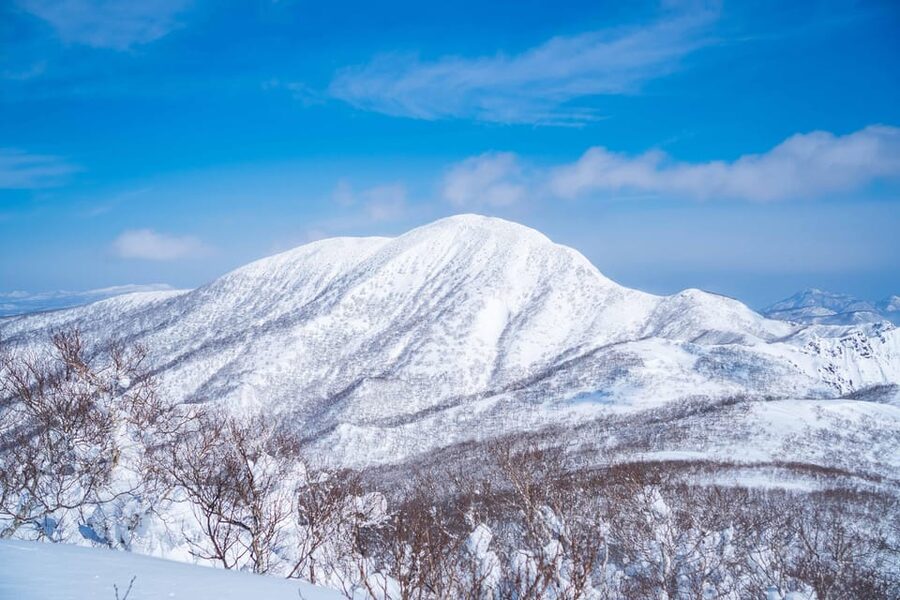
The ridgeline also opens the view. On a clear day, you can see Mt. Orofure and, farther away, Mt. Yotei and Lake Toya. These views are a bonus rather than a promise. Mountain weather can change quickly, and clouds or blowing snow may cover the panorama even when conditions looked bright in Noboribetsu.
I would keep your expectations realistic here. The snow monsters are the reliable theme of the walk, while the distant mountains depend on the weather. That makes the outing worthwhile even on a cloudy day, since the forest itself remains the main attraction.
A few more snow days around Japan worth a look
- Nagano Ski Buffet
★ 5.0 · 47 reviews - Nagano: 1-Day Ski Tour Package from Nagano Station
★ 4.9 · 35 reviews - Ski or Snowboard Lesson in Shiga Kogen (4Hours)
★ 5.0 · 34 reviews - 1-Day Ski Tour Package from Nagano Station
★ 5.0 · 30 reviews
A sheltered pause with a hot drink
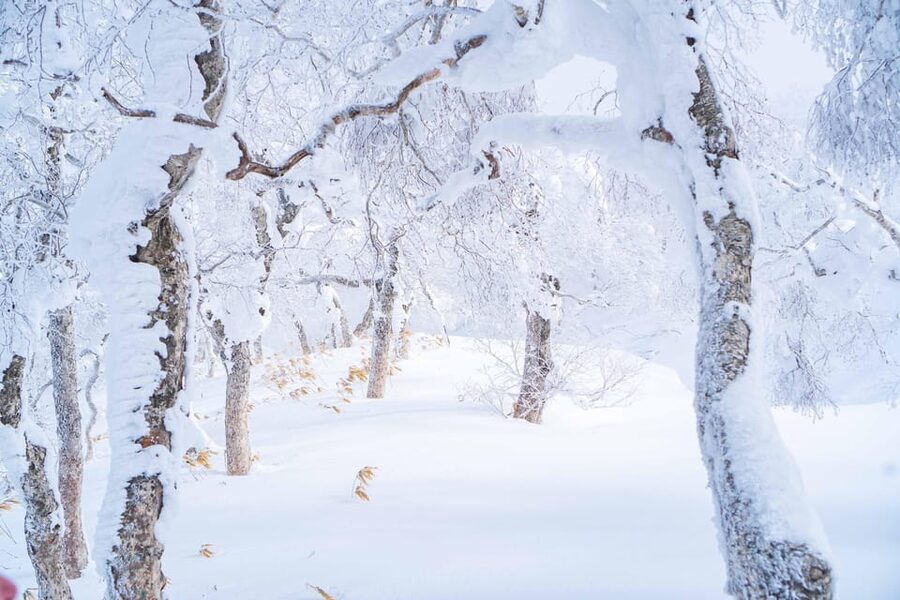
After the climb, the group makes its way back down and stops in a sheltered spot. You can pause for food and a hot drink before continuing to the vehicle.
The included hot drink is a small but important comfort. Cold air and physical effort can leave you chilled, even when you are dressed well. A warm drink gives you time to settle, enjoy the setting, and restore some energy before the return walk.
The package includes a snack, but it does not clearly promise a full lunch. Bring your own food if you want something substantial. On some outings, Aidan’s wife has prepared a chicken sandwich, sourdough bread, or homemade cookies, but those personal extras should not be treated as a fixed menu.
This pause is also a good reason to carry water and a daypack. Snowy air can make you less aware of thirst, while walking uphill can leave you needing more fluid than expected. Keep your food and water easy to reach, not buried under several layers.
What Aidan adds to the day
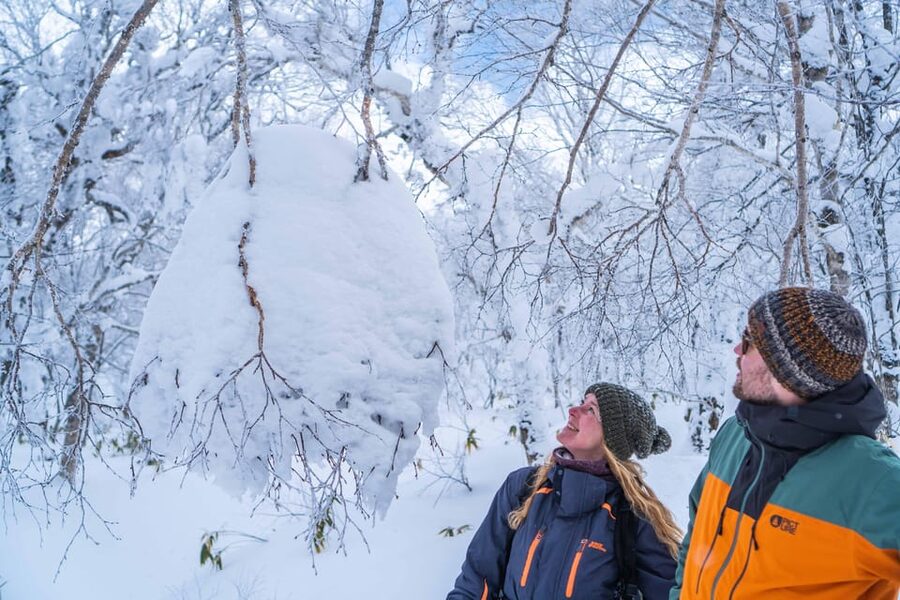
The guide is a major part of the value. Aidan explains how to use the equipment, talks about the surrounding environment, and keeps first-time snowshoers engaged. His easy conversation has also made the tour comfortable for solo participants, who can otherwise feel conspicuous in a small outdoor group.
He has also taken professional-quality photographs for participants during the walk. That is not listed as a formal inclusion, so do not book the tour solely for a photography service. Still, it is a useful extra, especially when your hands are busy with poles and you cannot easily take your own pictures.
Several personal details add warmth to the outing. Homemade food, extra transport help, and an onsen drop-off have all been part of individual days. I would see these as signs of a thoughtful guide, not guaranteed services.
The strongest part of the guiding style is the mix of safety and friendliness. Aidan is willing to help people learn, keep talking during the walk, and end the outing if conditions become unsafe. That matters in a mountain setting where the weather can change faster than your plans.
What to wear for a cold, active walk
Your clothing will have a direct effect on how much you enjoy the tour. Wear several warm layers that you can remove as you heat up and put back on when you stop.
A windproof jacket, gloves, hat, and sunglasses are needed. Sunglasses help with glare from the snow, even on a cool or partly cloudy day. Avoid cotton because it holds moisture and can leave you cold after you start sweating.
Jeans are not allowed, and for good reason. They restrict movement, hold water, and dry slowly. Choose outdoor trousers with room for walking and for the supplied gaiters.
Bring comfortable shoes suitable for snowshoeing, a daypack, and water. The tour supplies snowshoes, poles, and gaiters, but not your full clothing system or footwear. Prepare for bad weather even if the forecast looks sunny in town.
Is the $154 price fair?
At $154 per person, this is not a cheap add-on to a Noboribetsu stay. The price makes more sense when you count what is included: roughly five hours of guiding, transport to and from the pass, snowshoes, poles, gaiters, a hot drink, and a snack.
You are also paying for access to a winter setting that would be difficult to reach and manage on your own. A first-time snowshoer may spend a lot of time worrying about equipment, route choices, and changing conditions. A guide removes much of that uncertainty.
The group limit of seven improves the value. You are not simply being moved from one photo stop to another. You receive instruction, a paced walk, and a better chance to ask questions or get help on the slopes.
The price is less attractive if you already own winter equipment, have strong snowshoeing skills, and can arrange transport independently. It is also a poor value if you mainly want a quick look at snow-covered trees without a physical hike.
For a visitor who wants a guided half-day in the mountains and does not have snowshoes, the package is reasonably complete. Just budget for your own outdoor clothing, shoes, water, and any extra food.
Who should book this snowshoe tour?
I would recommend it to adults who enjoy active sightseeing and want more than Noboribetsu’s hot spring streets. It suits solo visitors, couples, and small groups who appreciate a friendly guide and a flexible pace.
It is particularly good for first-time snowshoers. You receive the equipment and basic instruction, while the small group makes it easier to ask for help. Aidan’s calm approach also suits people who want company without joining a large organized excursion.
You should skip it if you have a back or heart problem, a mobility impairment, a cold, or a low level of fitness. The tour is not suitable for wheelchair users or children under 18. You must be able to walk up and down uneven ground.
The tour operator does not provide insurance, so arrange your own coverage before going. If someone is injured or the guide decides that conditions are unsafe, the walk can end early. Bad weather may also cancel or postpone the outing.
Booking advice and final verdict
I would book this if your Hokkaido plans include Noboribetsu and you want to spend a serious winter morning or afternoon outdoors. The snow monsters give the walk a clear purpose, while the ridgeline views and warm drink make the five-hour format feel like a full mountain outing rather than a brief activity.
Go prepared. Wear layers, avoid jeans, pack water and a daypack, and expect to work up a sweat on the climbs. Keep your schedule flexible enough for poor weather, and do not count on seeing Mt. Yotei or Lake Toya if clouds move in.
The best reason to choose this tour is the combination of scenery and personal guiding. Aidan’s help with beginners, thoughtful conversation, photos, and occasional homemade food make the day feel more personal than a standard equipment rental. If you want easy sightseeing, stay in town. If you want to earn your winter views, this is a strong choice.
FAQ
How long does the Orofure Pass snowshoeing tour last?
The tour lasts five hours, including transport from Noboribetsu, the snowshoe walk, a sheltered food and drink stop, and the return drive.
How far is Orofure Pass from Noboribetsu?
Orofure Pass is about 30 minutes from Noboribetsu by vehicle.
What can I see during the snowshoe walk?
You can see snow-covered trees known as snow monsters, forest scenery, and ridgeline views toward Mt. Orofure, Mt. Yotei, and Lake Toya when conditions are clear.
Is equipment included?
Yes. Snowshoes, poles, and gaiters are included. Clothing and footwear are not provided.
Is food included?
A hot drink and snack are included. Bring extra food if you want a full lunch.
What should I wear?
Wear warm outdoor layers, a windproof jacket, gloves, a hat, comfortable winter footwear, and sunglasses. Do not wear jeans, skirts, or dresses. Cotton is best avoided.
Is the tour suitable for beginners?
Yes, beginners can join if they are fit enough to walk up and down uneven winter terrain. Aidan provides help with snowshoe technique and equipment.
How many people are in the group?
The group is limited to seven participants, making this a small-group tour.
What happens if the weather is bad?
The tour may be canceled or postponed if the weather is unsafe. If someone is injured or the guide decides it is not safe to continue, the activity will finish early.
Just added around Japan
- Private ski lesson for family or group(Transport included )★ 5.0 · 2 reviews
- Full Day Snowboard Lesson (6 hours)★ 5.0 · 3 reviews
- First snow play & snowshoe★ 5.0 · 2 reviews
- Full Day Ski Lesson (6 hours) in Yuzawa, Japan★ 5.0 · 12 reviews
- EN/CN Guided Snowshoeing and Snow Monkey Tour in Nagano★ 5.0 · 2 reviews
- 3 hours Snowshoe hike to “Furepe fall” and Wildlife Watching★ 5.0 · 9 reviews
- 4.5 hours Snowshoe hike in Shiretoko five lakes★ 4.5 · 2 reviews
- Snowshoe Hiking Tour in Tazawako★ 5.0 · 4 reviews
Japan Ski Trips, compared.
Nagano: 1-Day Ski Tour Package from Nagano Station
Read our review →
Ski or Snowboard Lesson in Shiga Kogen (4Hours)
Read our review →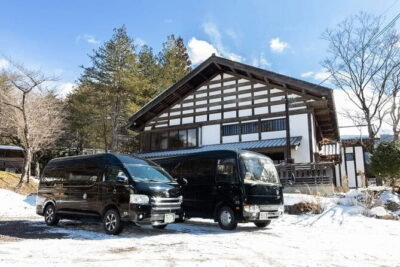
Full Day Private Skiing / Snowboarding Tour in Sapporo
Read our review →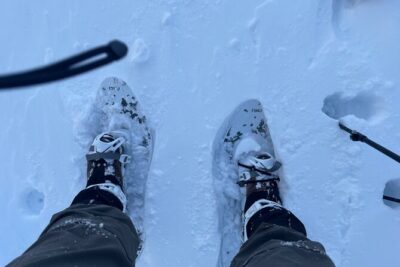
Snowshoeing and Onsen Adventures in a Winter Wonderland -Sapporo.
Read our review →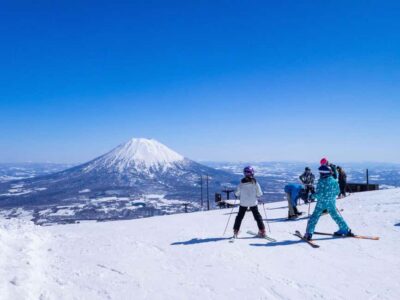
From Tokyo: Fujiyama Snow Resort Yeti Winter Ski Day Tour
Read our review →
Sapporo: Otaru Asarigawa Ski Resort Day Trip with Gear
Read our review →Browse the lists this tour appears in