
Review · CANADA
Learn to Cross Country Ski in Lake Louise
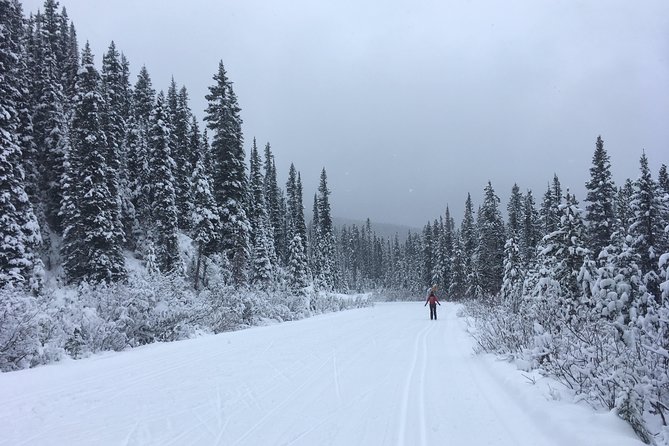
At Lake Louise, you can trade the crowded viewpoint for a quiet day on cross-country skis. This five-hour lesson starts with the basics, including how to fall safely and get back up, then finishes with a short outing toward the back of the lake, where you may see frozen falls and ice climbing. Guide Shauna is especially good at giving nervous beginners the confidence to keep trying.
I like the small maximum of six people, since a guide can correct your stance instead of shouting instructions to a crowd. I also like that the lesson does not stop at the parking area: once you can glide and stop, you head out for a real Nordic ski experience. The main drawback is practical: rentals cost extra, transportation is not included, and you need a strong level of fitness for several hours outside.
Key points at a glance
- Beginner skills come first: Learn to fall, stand, glide, turn, and stop before heading out on a short tour.
- The group is capped at six: This gives the guide time to offer personal help and encouragement.
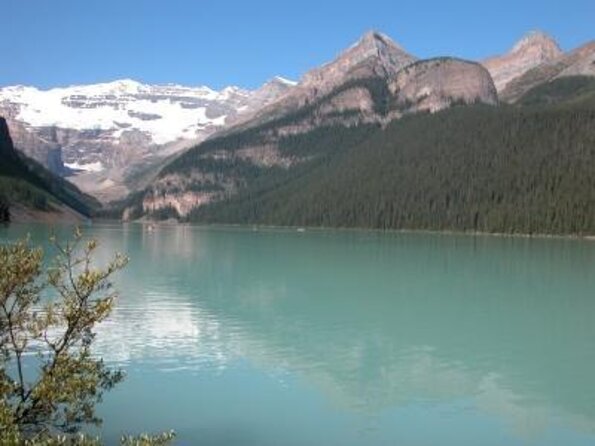
- The back of Lake Louise is the payoff: The outing can include views of frozen falls and ice climbing.
- Bring your own lunch and warm clothing: You will be outside through lunchtime, with no meal supplied.
- Rentals are separate: Equipment costs about $30 to $35 per person, or $65 at Chateau Lake Louise.
- Plan around the weather: Wildlife closures and Environment Canada weather warnings can cancel the outing.
Starting at Lake Louise at 10:30 am
Your meeting point is Lake Louise Lakeshore in Lake Louise, Alberta. The activity begins at 10:30 am and ends back at the same place, so you do not need to arrange a second pickup point.
The first step is an orientation and waiver. You also need to sign a COVID release form. This is not a quick hop onto skis followed by an immediate photo stop. The guide takes time to explain how the day works and what to expect before teaching the movements that keep you upright.
That slower start matters if you have never used cross-country skis. Nordic skiing is not the same as downhill skiing. The skis are narrow, the boots allow more movement at the ankle, and you move across mostly level or gently changing terrain under your own power. You do not need to arrive already knowing how to brake or turn, but you do need to be ready to learn by doing.
I would arrive early enough to deal with parking, clothing, and equipment without rushing. The published start time is specific, and the day is built around a group moving together.
More Cross-Country Skiing in Canada:
- Lake Louise: Cross Country Skiing Lesson with Tour
★ 4.9 · 7 reviews - Tromsø: Cross Country Guided Skiing Course
★ 4.7 · 503 reviews - Breivikeidet: Cross-Country Skiing & Husky Visit
★ 4.9 · 257 reviews
Learning to fall before you learn to glide
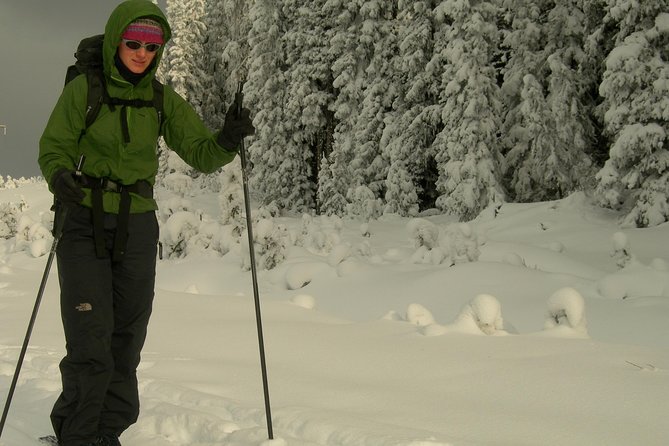
The most useful part of this experience is also the least glamorous: you learn how to fall down and get back up. That may sound basic, but it takes away much of the fear that stops beginners from enjoying skis.
Your guide teaches the core movements in a practical order. You work on standing in the skis, moving forward, gliding, and stopping. Falling is treated as part of the lesson rather than a sign that you are failing. For a first-timer, that attitude can make the difference between spending the day tense and spending it curious.
The small group helps here. With no more than six people, the guide can give individual corrections and let you repeat a movement before moving on. This is especially useful for a mature couple or anyone who worries about holding up a larger class. Shauna is noted for her calm encouragement, and her teaching style suits people who need confidence as much as technique.
You should still be realistic about the physical work. The activity calls for a strong fitness level, and five hours outdoors is a long session for a complete beginner. Cross-country skiing uses more than your legs. You push with poles, balance while gliding, and keep moving for much of the day. If you are unsure about your stamina, the length of the tour is the first thing to consider before booking.
From practice area to the back of the lake
Once you have learned the essentials, the experience shifts from lesson to outing. The short tour gives you a reason to use the skills you have just practiced. Instead of repeating drills for the full five hours, you get to ski through the Lake Louise setting and see how the technique feels in motion.
The route can take you toward the back of the lake, where frozen falls and ice climbing may be part of the view. That is a memorable change of pace from the usual front-of-the-lake stop. You are not simply looking at Lake Louise from the standard access point. You are using skis to reach a quieter part of the area and to see winter features at a slower speed.
The route and final viewing points can depend on conditions. Wildlife closures or Environment Canada weather warnings may lead to cancellation, and winter conditions can affect where the guide takes the group. That flexibility is sensible in the Canadian Rockies, but it means you should not treat one exact route or sight as guaranteed.
I like this structure because the sightseeing is earned. First you learn enough to move safely, then you use those skills to reach the scenery. The activity is best for someone who wants a lesson with a genuine outdoor outing attached, not for someone looking only for a quick introduction and a few photographs.
What to bring for five hours outside
You need to arrive with waxless Nordic skis, boots, and poles, unless you arrange rentals. Waxless skis are important because they are designed for easier use in changing snow conditions without the need to apply ski wax during the day.
Bring a day-pack with:
- Lunch
- A thermos
- Mittens
- A toque
- A scarf
- Warm layers for the day
The instruction says you will be out over lunch, so do not assume you can return to the meeting point for a meal. A warm drink and food you can eat outdoors will make the middle of the day much easier.
Layering matters more than one bulky coat. You may warm up while skiing, then cool down quickly when you stop for instruction or scenery. The supplied information does not specify a clothing rental service or a place to store extra items, so pack for a full day outside and keep your gear manageable.
Your equipment should be sorted before the 10:30 am meeting time. The tour does not include rentals, and you are responsible for arriving with suitable skis, boots, and poles or arranging them in advance.
A few more snow days around Canada worth a look
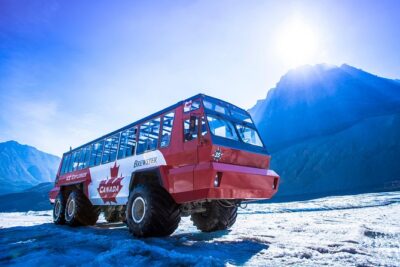
- Athabasca Glacier Snow Trip from Banff
★ 5.0 · 394 reviews - Medicine Trail Snowshoe Tour
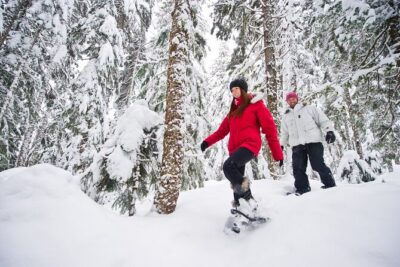
★ 5.0 · 279 reviews - Quebec City: Jacques-Cartier National Park Snowshoeing Tour
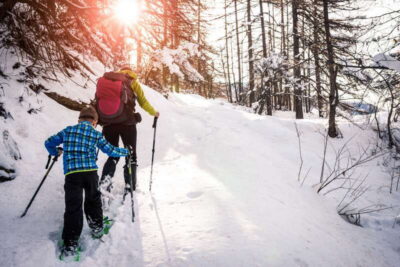
★ 4.7 · 127 reviews - Snowshoeing with mountain goats Private activity
★ 5.0 · 104 reviews
Choosing between the rental options
Rental cost changes the value of the tour. The activity itself is listed at $138.30 per person, while equipment costs about $30 to $35 per person at Wilson Mountain Sports in Lake Louise or Gear Up in Canmore. Chateau Lake Louise has rentals at about $65 per person.
That puts the likely total at roughly $168.30 to $173.30 per person with the lower-cost rental options, before any applicable tax. Using the Chateau option brings the combined cost to about $203.30 per person. The lesson price includes a local guide and Nordic ski instruction, but not transportation or equipment.
I see the price as reasonable if you want coaching and a small group rather than simply renting skis and finding your own route. The personal attention is the main value. A six-person cap gives you access to help with balance, stopping, and getting back up, all of which can be hard to figure out alone.
The price is less attractive if you already ski confidently and only want access to the trails. This is a beginner lesson first, with a short tour afterward. Experienced Nordic skiers may prefer an independent rental day, while first-timers are paying for instruction, navigation, and reassurance.
Why the six-person limit matters
A small group is not just a pleasant extra. It changes how the lesson works. Beginners often need different amounts of time to understand the same movement, and the guide can slow down without losing control of a large class.
You may need several tries to stand after a fall, find a comfortable stride, or learn how to stop. In a large group, you might get one demonstration and then be expected to follow along. Here, the guide has a better chance to watch your technique and respond to your pace.
The small format also helps couples or friends who want to learn together. A mature couple can take the lesson without feeling pushed aside by younger or more athletic skiers. Shauna’s gentle encouragement is a real strength for people who arrive unsure if they can manage the activity.
Still, a small group does not turn this into a private tour. Up to six people will share the guide, and everyone must be prepared to move as a group once the outing begins. The experience gives you personalized attention, not an entirely custom route.
Who should book this Lake Louise lesson
I would recommend this for an active beginner who wants more than a quick equipment demonstration. You should be comfortable spending five hours outside, carrying a day-pack, and working physically through a lesson and short ski tour.
It is also a good match for people who feel nervous about skiing. Learning how to fall and recover under a guide’s supervision is far less intimidating than trying to solve the problem alone. The small group and Shauna’s encouraging approach are particularly helpful if you are older, out of practice, or unsure of your balance.
This is not the right pick if you need transportation from Banff, Canmore, or another Alberta base. Transportation is not included, and the meeting point is at Lake Louise Lakeshore. It is also not ideal for someone seeking a relaxed sightseeing trip with little exertion, since the operator asks for a strong physical fitness level.
Families and mixed-ability groups should think carefully about the six-person limit and the fitness requirement. The supplied details do not give a minimum age or a separate children’s program, so you should confirm suitability before booking if children are part of your group.
Timing, cancellations, and practical planning
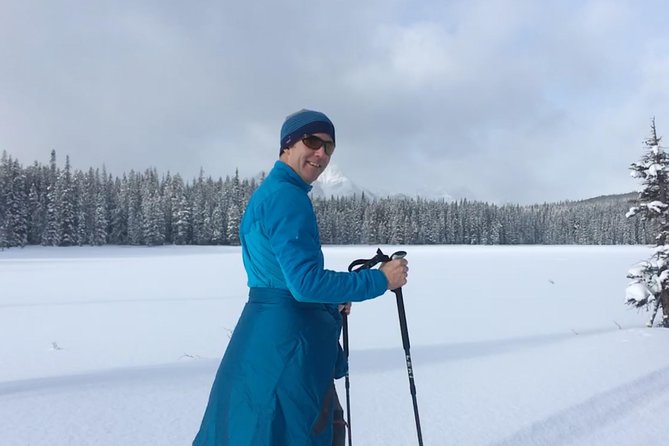
The experience lasts approximately five hours, beginning at 10:30 am and finishing at the meeting point. Since lunch takes place during the outing, plan for a full morning and afternoon commitment rather than a short lesson that leaves plenty of time for another activity.
Weather and wildlife rules can affect the day. The tour may be cancelled because of wildlife closures or Environment Canada weather warnings. Those conditions are outside the guide’s control, so keep some flexibility in your Lake Louise schedule.
You can cancel up to 24 hours before the experience for a full refund. Confirmation is provided at the time of booking, and the activity is offered in English. Group discounts may be available, which could improve the per-person value for a larger booking, though the group itself still has a maximum of six participants.
The mobile ticket is useful for keeping the booking details with you, but it does not replace the need to bring physical gear, food, and warm clothing. The guide handles instruction and navigation. You handle transportation, rentals, lunch, and staying comfortable.
Should you book this cross-country ski tour?
Book it if you want a proper introduction to Nordic skiing in one of Canada’s most famous winter settings, and if you value a patient guide more than the lowest possible price. The lesson covers the awkward but essential basics, the small group allows personal help, and the outing toward frozen falls gives the day a clear payoff.
Skip it if you already ski well, dislike exertion, or need transportation included. Also check your rental plan before committing, since equipment can add $30 to $65 per person.
For a nervous beginner, this is a thoughtful way to start. You learn how to fall, get up, glide, and stop before heading toward the back of Lake Louise. That practical confidence, plus the chance to see frozen falls and ice climbing, is what makes the experience worth considering.
FAQ
Where does the cross-country ski lesson begin?
It begins at Lake Louise Lakeshore, Lake Louise, Alberta, T0L 1E0, Canada.
What time does the activity start?
The activity starts at 10:30 am.
How long does the experience last?
It lasts approximately five hours.
Are cross-country skis and boots included?
No. Participants should arrive with waxless Nordic skis, boots, and poles. Rentals are available for an additional fee.
How much do rentals cost?
Rentals cost approximately $30 to $35 per person at Wilson Mountain Sports in Lake Louise or Gear Up in Canmore. Chateau Lake Louise offers rentals at about $65 per person.
What should I bring?
Bring lunch, a thermos, mittens, a toque, a scarf, a day-pack, and warm layers for the day.
How many people can join the tour?
The activity has a maximum of six participants.
Just added around Canada
- Whitehorse: Half-Day Snowshoeing Tour★ 5.0 · 6 reviews
- Whistler: Backcountry Snowshoeing Tour with Guide★ 5.0 · 9 reviews
- Yukon Snowshoeing Adventure | half day★ 5.0 · 5 reviews
- Whistler Development Snowboard Rental Package★ 5.0 · 7 reviews
- Whistler Premium Snowboard Rental Package★ 5.0 · 3 reviews
- Coast Mountain Backcountry Snowshoe Tours★ 5.0 · 10 reviews
- Snowshoeing at The Top of The Sea to Sky Gondola★ 5.0 · 5 reviews
- Snowshoeing In Vancouver’s Winter Wonderland★ 5.0 · 11 reviews
Canada Ski Trips, compared.
Quebec City: Jacques-Cartier National Park Snowshoeing Tour
Read our review →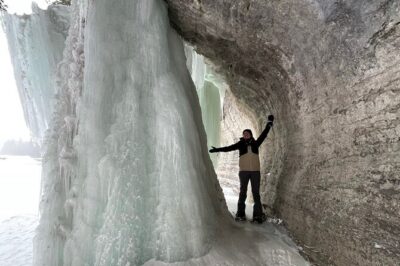
Snowshoeing with mountain goats Private activity
Read our review →
Snowshoeing Tour in Jacques-Cartier National Park
Read our review →
Browse the lists this tour appears in