
Review · NEW ZEALAND
45-Minute Mount Cook Ski Plane and Helicopter Combo Tour
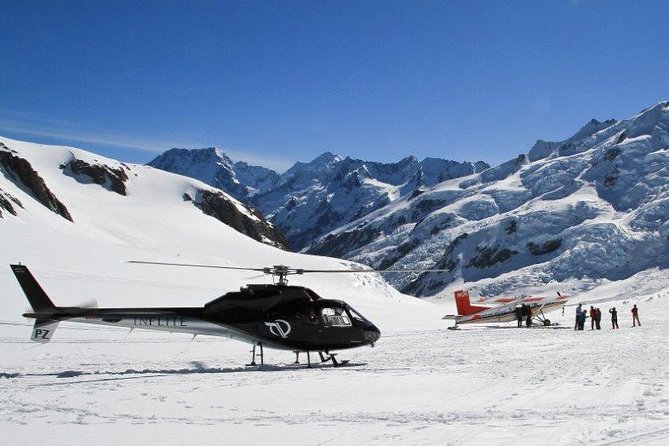
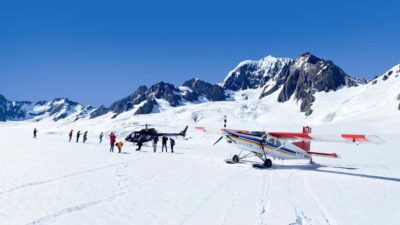
The remarkable part of this 45-minute Mount Cook flight is the aircraft switch on the Tasman Glacier. You fly up in either a ski plane or helicopter, land on the snow, shut down the engines for a few quiet minutes, then return in the other aircraft. It gives you two very different views of Aoraki/Mt Cook and the surrounding glaciers in one short outing.
I like the glacier landing, which turns a scenic flight into a brief alpine experience on the ground. I also like the variety: the ski plane offers a bumpier, more open-feeling ride, while the helicopter gives you a smooth, close look at the mountains. The main caution is weather. Strong wind, cloud, rain, or poor glacier conditions can change the route, aircraft, or timing, and the flight needs at least eight people to operate.
Key points to know before you book
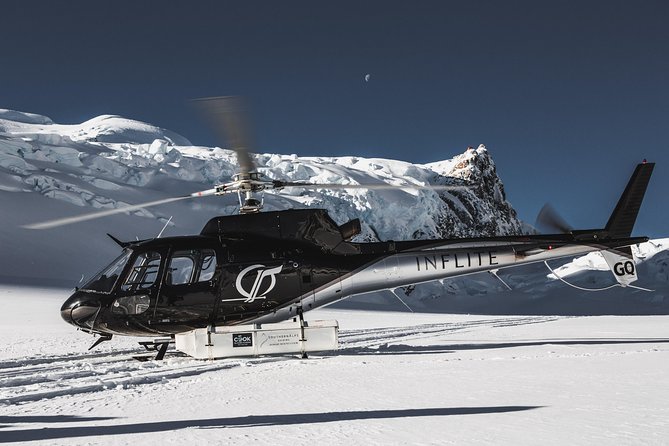
- Two aircraft in one trip: Fly in a ski plane and helicopter, with the order depending on the day’s operation.
- Tasman Glacier landing: Spend about 10 to 15 minutes on the glacier with the aircraft shut down.
- Aoraki/Mt Cook views: Look across the Tasman Valley, braided rivers, lakes, glaciers, huts, and snow-covered peaks.
- Small group size: The aircraft experience has a maximum of 16 participants.
- Weather matters: You may receive a changed route, a different aircraft combination, another date, or a refund if conditions stop the flight.
- Weight limit: The total passenger weight limit is 221 pounds.
Two aircraft, one glacier landing
This is not simply a helicopter ride with a quick loop around Aoraki/Mt Cook. The appeal lies in the contrast between the two aircraft and the short stop on the ice.
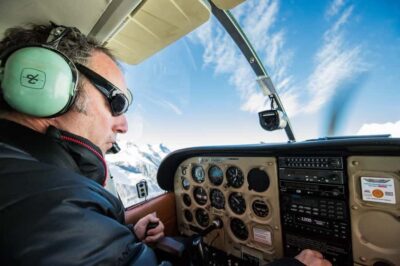
Your flight begins at Mount Cook Airport on Mount Cook Road. After check-in, you are assigned to the available aircraft and given a headset so you can hear the pilot’s commentary. The exact order can change, but the basic idea remains the same: one aircraft carries you up, you land on the Tasman Glacier, and you return in the other.
The advertised duration is about 45 minutes in total. The glacier stop lasts around 10 to 15 minutes, while the time in the air is divided between the two flights. One description lists 15 minutes of flight time, so do not expect a long airborne expedition. This is a compact experience designed to give you a taste of several things rather than hours in the mountains.
That short format works well if you are fitting Mount Cook into a wider South Island road trip. You get the main visual reward without giving up half a day. At the same time, the price means you should book it for the unusual combination and glacier landing, not just for a standard sightseeing flight.
A few more snow days around the world worth a look
- Mount Cook: Ski Plane and Helicopter Glacier Combo Flight
★ 4.6 · 271 reviews - Mt Cook: 55-Minute Scenic Flight in Helicopter or Ski Plane
★ 4.1 · 6 reviews
Flying above the Tasman Valley and Aoraki Mt Cook
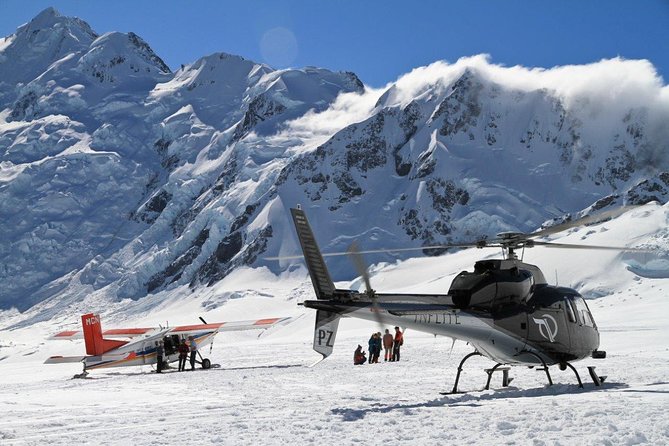
The route takes you over the Tasman Valley, braided rivers, lakes, glaciers, and the snow-covered peaks around Aoraki/Mt Cook. The views change quickly from the airport’s broad valley to high mountain country.
A ski plane gives the flight a more rugged feel. The ride can be bumpier than a helicopter, but the open views and the sight of skis beneath the aircraft make the journey part of the experience. The landing surface can also be a factor. If the glacier is too uneven for the ski plane, the operator may use a helicopter instead.
The helicopter offers a different kind of sightseeing. It can make a smooth approach to the glacier and bring you close to steep mountain faces, ice fields, and ridgelines. Pilots point out features along the route, including mountains, glaciers, lakes, and huts. Sam, one of the pilots named in the feedback, was praised for flying close to Aoraki/Mt Cook and making the scenery easy to understand.
You will want your camera ready, but do not spend the whole flight looking at a screen. The aircraft cabin is small, and another passenger or the window frame may limit your view. One account found the middle helicopter seat less useful for photography, so ask about seating if the staff can accommodate requests. There is no promise of a particular seat, but it is sensible to mention photography when you check in.
The Tasman Glacier stop is the heart of the trip
The landing on the Tasman Glacier gives this flight its strongest sense of place. Once the aircraft is shut down, the engine noise drops away and you can take in the snow and ice without the vibration of flight.
The stop is brief, roughly 10 to 15 minutes, but it is enough for photographs and a proper look around. You may find the surface uneven, and the glacier is an active natural environment rather than a prepared viewing platform. Wear shoes you can manage on snow and ice, and follow the pilot’s instructions closely.
Conditions can change the landing site. After heavy rain, the Tasman Glacier may not be suitable, and the flight may instead use Franz Josef Glacier. That is still a major alpine experience, but it is not the exact route you may have pictured when booking. In another case, the ski plane could not land because the glacier surface was too uneven, so the helicopter handled both legs.
This flexibility is a practical strength, provided you understand it before arrival. The operator appears to work hard to preserve the glacier landing when possible, while putting safety first. The tradeoff is that the advertised plane-and-helicopter combination is not guaranteed on every departure.
Why the aircraft change matters
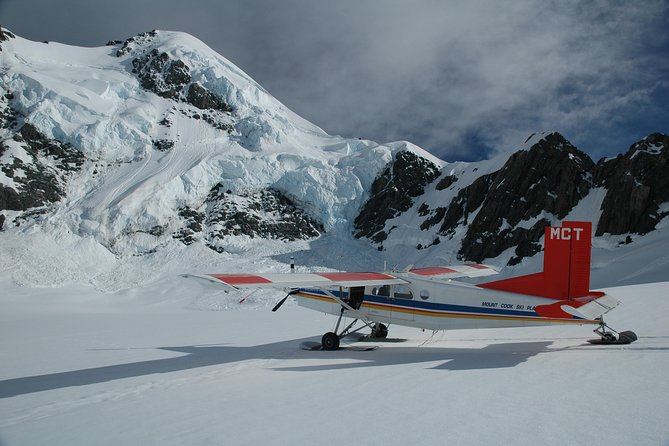
The ski plane and helicopter do not show you the mountains in the same way.
From the ski plane, you get a broader sense of the valley and a more traditional flight over the Southern Alps. The ride may feel less smooth, especially in changing air, but that can make it feel more like an expedition than a polished sightseeing loop.
The helicopter is quieter in terms of overall flight time and can approach the glacier at a lower, more intimate angle. You can see folds in the ice, snow lines, rock faces, and the shape of the valley more clearly. The pilot’s live commentary adds context, especially when you are trying to identify a particular glacier or peak.
This contrast is why I think the combo is worth considering over a single-aircraft flight. You are not simply paying for extra minutes in the air. You are paying for two forms of mountain flight plus a landing on the ice. If you only want a quick view from above, a single helicopter trip may be enough. If you enjoy the mechanics of flying and want a more unusual outing, the combination has a stronger case.
Same mountain, a different way to spend the day:
- From Tromsø: Ice Domes Snow Park and Wilderness Experience
★ 4.6 · 1,255 reviews - Dubai: 2-Hour or Full-Day Slope Session at Ski Dubai
★ 4.3 · 1,202 reviews - From Tromsø: Snowshoeing Hike with Picnic Lunch and Photos
★ 4.9 · 840 reviews - Rovaniemi: Hiking and Snowshoeing Adventure in Lapland
★ 4.4 · 753 reviews
Weather can reshape the whole experience
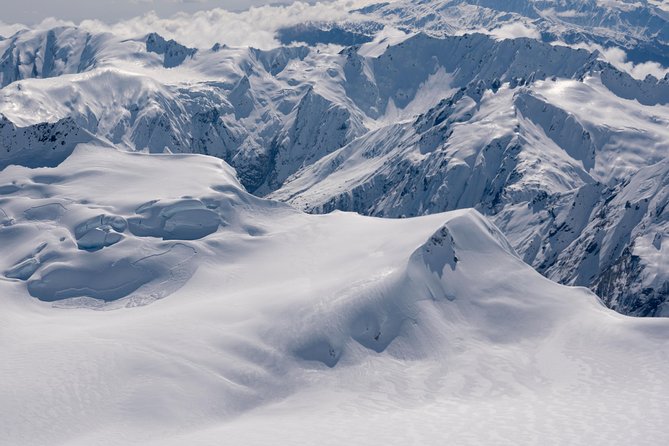
Mount Cook’s weather is not a minor detail. Cloud, wind, rain, and snow can affect the route, landing surface, and aircraft choice. One flight was delayed by bad weather before conditions cleared for a smooth helicopter landing. Another was cancelled because the wind was too strong.
A poor-weather cancellation is not the same as a poor tour. Flying into mountain country requires conservative decisions, and the operator may offer another date or a full refund if the weather prevents the activity. The same applies if the minimum number of eight participants is not reached.
The weak point is communication when a cancellation happens. One customer drove from Lake Tekapo toward Mount Cook without receiving notice before discovering that the flight was not operating. If you are making a long drive, contact the operator before leaving, especially when the forecast looks doubtful. Do not rely only on an automated message arriving in time.
You should also keep some flexibility in your South Island schedule. If this flight is the final activity before an airport transfer or a fixed hotel booking, a weather delay may create a headache. A spare day around Mount Cook gives you a better chance of taking the flight under clear conditions.
Price and value at $353.97
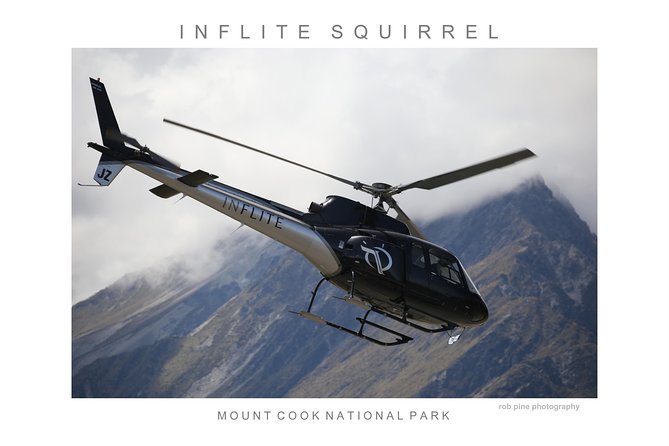
At $353.97 per person, this is a major splurge. The cost is easier to justify if you value the rare combination of a ski plane, helicopter, and glacier landing. It is harder to justify if your main goal is simply to see Mount Cook from above.
The short duration deserves honest attention. The whole activity lasts about 45 minutes, including the glacier stop and both aircraft segments. You are buying intensity and variety, not a long day out. The group limit of 16 helps keep the outing from feeling like a large coach excursion, though the aircraft cabin itself will naturally determine how much space and window access you have.
The price includes the headset, live commentary, and professional guide. Souvenir photographs cost extra. You can use your own camera or phone, but the company recommends having your camera ready because the views change quickly.
I would see this as a special-occasion purchase. It makes sense for a honeymoon, milestone trip, or a first visit to Aoraki/Mt Cook when you want one high-impact activity. If you are travelling on a tight budget, compare it with a ground-based walk or viewpoint before committing. Those options will not give you the glacier landing, but they may leave more money for the rest of your South Island trip.
Check-in, clothing, and practical details
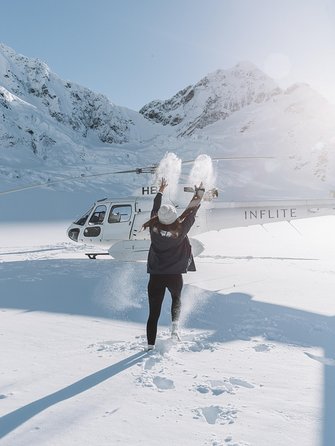
Check-in closes 30 minutes before departure, so plan to arrive early at Mount Cook Airport. The meeting point and return point are the same, which keeps the logistics simple. The airport is near public transport, although your wider transport plan still matters because Mount Cook activities can be affected by road and weather conditions.
Keep your belongings light. One account says the aircraft allowed only sunglasses, a mobile phone, and a camera, with other items left in the car. Follow the staff’s current instructions rather than assuming you can carry a full daypack onboard.
The operator does not provide coats as part of the stated inclusions, and one customer specifically wished warm outerwear had been supplied. Bring suitable layers for a cold glacier stop. Even on a sunny day, snow and wind can make the landing feel much colder than the airport.
The total passenger weight limit is 221 pounds. If your weight is close to that figure, check how the company applies the limit when travelling with luggage or in a group. Children must be accompanied by an adult.
Most people can participate, but accessibility is not perfect. The aircraft change and uneven glacier surface may be difficult for anyone with limited mobility. Ask the operator directly about your needs before booking, since the experience is not as accessible as some descriptions may suggest.
What the onboard commentary adds
The headset and live commentary make a real difference on a short flight. Without guidance, it is easy to confuse one glacier or ridge with another as the scenery passes below. A pilot can point out the main features while you still have time to look.
The strongest feedback focuses on the pilots’ friendly manner and clear explanations. Sam was singled out for showing the group close views of Mount Cook, while other pilots were praised for identifying mountains, glaciers, lakes, and huts. That personal commentary helps turn a beautiful flight into a more understandable one.
Do not expect a formal lecture. The useful value is in quick explanations during the route, with the pilot drawing your attention to features you might otherwise miss. The headset also helps you hear clearly over aircraft noise.
Who should book this Mount Cook flight?
I would recommend it to you if:
- You want a glacier landing rather than only an aerial view.
- You enjoy trying different kinds of aircraft.
- You are comfortable paying a premium for a short, memorable experience.
- You can keep your schedule flexible for mountain weather.
- You are visiting Aoraki/Mt Cook for a special occasion.
- You are happy to accept that Franz Josef Glacier or a helicopter-only flight may replace the advertised combination.
I would think twice if you need guaranteed departure times, dislike aircraft changes, have limited mobility on uneven snow, or are travelling on a strict budget. The tour is also a poor fit if you expect a long expedition. Its strength is the concentrated mix of flight, glacier, silence, and mountain views.
The 93 percent recommendation rate and 4.7 rating point to a consistently strong experience, but the lower scores reveal the real risks: cancellations, long waits, heat while loading, communication problems, and the possibility that the final outing may not match the exact aircraft combination. Those are not reasons to avoid it, but they are reasons to book with open plans and realistic expectations.
Should you book the ski plane and helicopter combo?
Book it if the idea of landing on the Tasman Glacier and changing aircraft on the snow sounds more exciting than simply taking a scenic flight. The combination is unusual, the views around Aoraki/Mt Cook are superb in clear weather, and the contrast between a ski plane and helicopter gives the trip a memorable shape.
Before paying, check the forecast, confirm the departure status, and leave at least 30 minutes for check-in. Bring warm layers, keep your camera handy, and allow room in your itinerary for a change of route or date.
For me, the value rests on one question: will the glacier landing and two-aircraft experience be a highlight of your South Island trip? If yes, this is one of the better ways to see the Mount Cook area from above. If not, save the money for a longer activity on the ground.
FAQ
How long does the Mount Cook ski plane and helicopter tour last?
The experience lasts approximately 45 minutes. This includes both aircraft flights and a glacier landing of about 10 to 15 minutes.
Where does the tour begin and end?
The tour begins at Mount Cook Airport on Mount Cook Road in the Canterbury Region. It ends back at the same meeting point.
Which aircraft will I fly in first?
The order can vary. You fly up in either the ski plane or helicopter, land on the glacier, and change aircraft for the return flight when the planned combination is operating.
Is the glacier landing always on the Tasman Glacier?
The planned landing is on the Tasman Glacier, but weather and surface conditions can require a different location. Franz Josef Glacier may be used when the Tasman Glacier is not suitable.
Can the tour operate with fewer than eight people?
The flight requires a minimum of eight people before it will operate. If that minimum is not met, you may be offered another date, a different experience, or a full refund.
What happens if bad weather cancels the flight?
If poor weather causes the cancellation, you can be offered another date or a full refund. Mountain weather may also change the route or aircraft combination.
How early should I arrive?
Check-in closes 30 minutes before the scheduled flight time. Arrive before that cutoff so you have time to complete the required check-in.
Are photos included in the price?
Headsets, live commentary, and a professional guide are included. Souvenir photos are not included but may be available to purchase.
Just added around the world
- Zell am See Kaprun: Private Ski Guiding with Hajo★ 5.0 · 3 reviews
- Whitehorse: Half-Day Snowshoeing Tour★ 5.0 · 6 reviews
- Zermatt: Private Ski Guide with Experienced Ski Instructor★ 5.0 · 2 reviews
- Vialattea: Snowshoeing in the Snowy Forest★ 4.9 · 10 reviews
- Snowshoeing in Triglav National Park★ 5.0 · 4 reviews
- Vienna: Relaxed Alpine Snowshoe Experience Guide & Transfer★ 5.0 · 3 reviews
- Vialattea: Night Snowshoeing under the Stars★ 4.5 · 5 reviews
- Whistler: Backcountry Snowshoeing Tour with Guide★ 5.0 · 9 reviews
New Zealand Ski Trips, compared.
Mount Cook: Ski Plane and Helicopter Glacier Combo Flight
Read our review →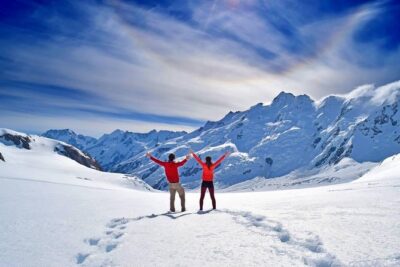
45-Minute Glacier Highlights Ski Plane Tour from Mount Cook
Read our review →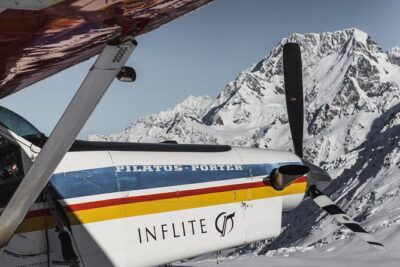
Mt Cook: 55-Minute Scenic Flight in Helicopter or Ski Plane
Read our review →
From Queenstown: Cardrona First Timer Ski or Snowboard
Read our review →
From Queenstown: Cardrona Ski/Snowboard Rentals & Transfer
Read our review →Browse the lists this tour appears in