
Review · NEW ZEALAND
Mt Cook: 55-Minute Scenic Flight in Helicopter or Ski Plane
The great draw here is simple: you see Aoraki Mount Cook and the Southern Alps from the air, then cross the Main Divide toward the West Coast and its great glaciers. A 55-minute flight gives you far more than a quick look around the airfield. The route takes in Mount Tasman, Mount Sefton, Fox Glacier, Franz Josef Glacier, and the Tasman Glacier.
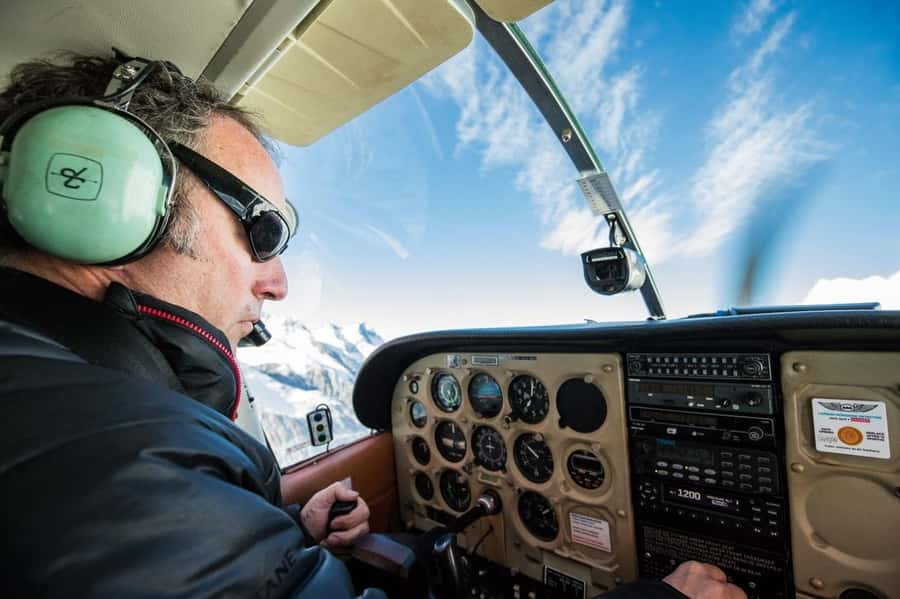
I like the choice between a helicopter and a ski plane, and I like the small group size of no more than six people. The main caution is visibility: mountain weather can cancel a flight, shorten it, or affect your view from a particular seat. One passenger found a middle seat behind the rotor area had poor visibility, so ask about seating if you can.
Key points to know before booking
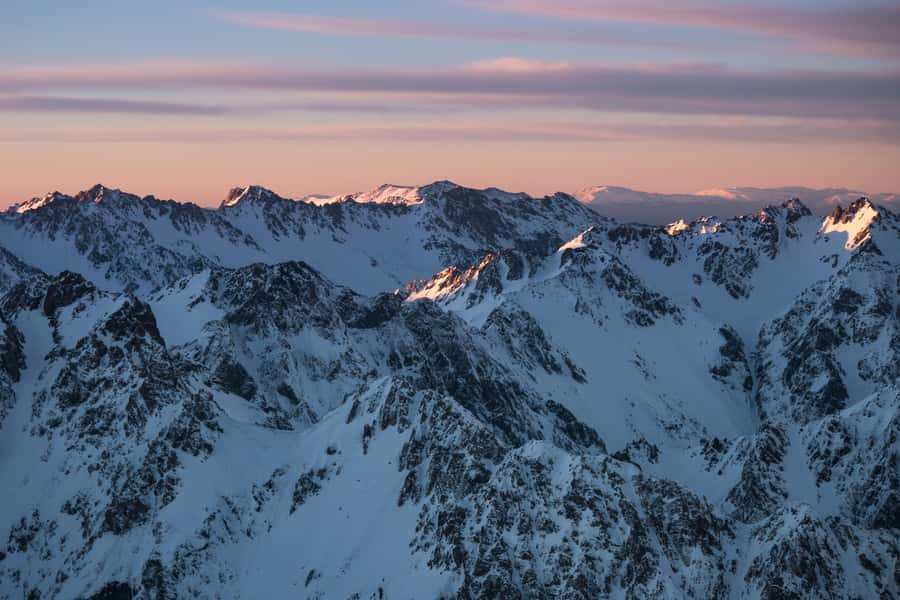
- A 55-minute route covers both sides of the Southern Alps, from the Tasman Sea to Aoraki Mount Cook.
- You may fly by helicopter or ski plane, with the exact aircraft subject to availability and operating conditions.
- The flight passes Fox and Franz Josef Glaciers, then returns across the peaks to the Tasman Glacier.
- Groups are limited to six people, making the flight more personal than a large sightseeing operation.
- Weather controls the day, and the operator may cancel, reschedule, shorten, or change the aircraft for safety.
- A ski plane may land on a glacier, an especially memorable feature noted on one flight.
Why an aerial flight is the right way to see Mount Cook
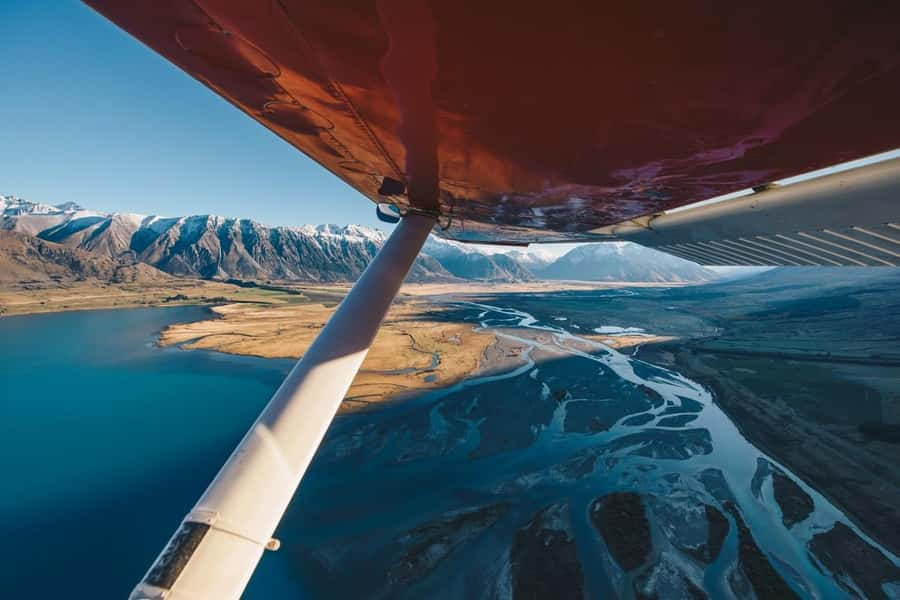
Aoraki Mount Cook National Park is huge, rugged, and difficult to grasp from ground level. From a road or walking track, you see one valley, one glacier, or one face of a mountain. From the air, the pieces connect. Snowfields lead into icefalls, glaciers run toward terminal lakes, and the Southern Alps form a long wall between the east and west coasts.
That wider view is the real value of this trip. You are not simply circling one peak for a few minutes. The route crosses the Main Divide, reaches the West Coast, follows the Tasman Sea north, and then returns over the snow-covered interior. The flight shows how quickly the scenery changes from the east side of the Alps to the wet western side.
You also get useful commentary from an English-speaking guide throughout the flight. That matters because the view can be overwhelming. A guide can point out Mount Cook, Mount Tasman, Mount Sefton, the Hochsteter Icefall, and the Grand Plateau while you still have the chance to frame them in a photograph.
A few more snow days around the world worth a look
- Mount Cook: Ski Plane and Helicopter Glacier Combo Flight
★ 4.6 · 271 reviews - 45-Minute Mount Cook Ski Plane and Helicopter Combo Tour
★ 4.5 · 107 reviews
From takeoff to the Main Divide
The scenery begins at takeoff, so you do not spend the opening minutes waiting for the main attraction. As the aircraft rises, you get an immediate sense of the scale of the mountains around Mount Cook.
The first major part of the route takes you toward the Main Divide. This is the backbone of the Southern Alps, and crossing it changes the character of the view. You move from the Mount Cook side toward the West Coast, where Fox Glacier and Franz Josef Glacier come into view.
These glaciers are a major reason to choose the full 55-minute flight rather than a short local circuit. From the air, you can see the ice fields as part of a larger system instead of as isolated white strips. The view also gives you a better sense of the distance between the high snowfields and the lower terminal areas.
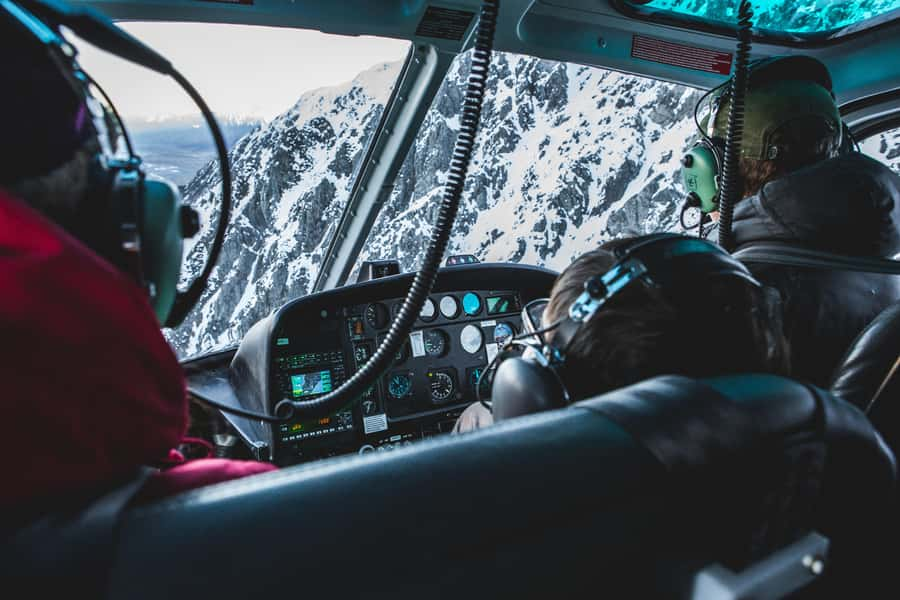
The aircraft type affects how you see this section. A helicopter offers the feeling of hovering near steep faces and icefalls. A ski plane provides a different angle and may land on a glacier when conditions allow. Do not assume you will receive both types of flight. The experience is offered in one aircraft or the other.
Fox and Franz Josef Glaciers from above
Fox Glacier and Franz Josef Glacier sit on the West Coast side of the Southern Alps. Seeing both from the air is one of the strongest parts of the itinerary, especially if you have already seen only the lower ends of glaciers from the ground.
The route gives you a chance to watch the ice flow through mountain valleys and compare the two glaciers from above. The view is not just about bright snow. You may see crevasses, darker lines in the ice, rock walls, and the large sweep of the surrounding peaks. The guide’s commentary helps put those features in context.
The aircraft then tracks north along the Tasman Sea before crossing the mountains again. This westward and northward section adds variety to the trip. You are not looking at the same peak from the same angle for 55 minutes.
Weather is especially important here. Low cloud or poor visibility can block the glaciers, and mountain conditions can change quickly. The operator may cancel for safety, offer a new time, or provide a full refund. One flight was shortened after weather changed, and a later flight was canceled, while the passenger was eventually moved to a helicopter flight. That is a useful reminder to keep some flexibility in your schedule.
Returning over the Tasman Glacier
The return crossing brings you back toward the Tasman Glacier, the largest glacier in the Mount Cook area. The route then follows the Tasman Glacier south through Mount Cook National Park.
This is where the trip becomes a grand tour of the park rather than simply a West Coast glacier flight. You see the glacier’s upper reaches, the surrounding snowfields, and the peaks that contain the ice. The route through the Grand Plateau and past the Hochsteter Icefall gives you some of the most dramatic mountain scenery on the flight.
The Hochsteter Icefall is particularly striking from above because its broken blocks of ice show movement and height in a way that is hard to understand at ground level. It is also a place where the aircraft’s position matters. A helicopter may be able to hold near a feature, while a ski plane provides a wider moving view.
As you pass beneath the east face of Aoraki Mount Cook, the scale of New Zealand’s highest mountain becomes clear. The mountain is not simply a pointed summit. Its east face rises above a complex world of ice, rock, snow, and shadow.
Same mountain, a different way to spend the day:
- From Tromsø: Ice Domes Snow Park and Wilderness Experience
★ 4.6 · 1,255 reviews - Dubai: 2-Hour or Full-Day Slope Session at Ski Dubai
★ 4.3 · 1,202 reviews - From Tromsø: Snowshoeing Hike with Picnic Lunch and Photos
★ 4.9 · 840 reviews - Rovaniemi: Hiking and Snowshoeing Adventure in Lapland
★ 4.4 · 753 reviews
The Tasman Terminal Lake and the final descent
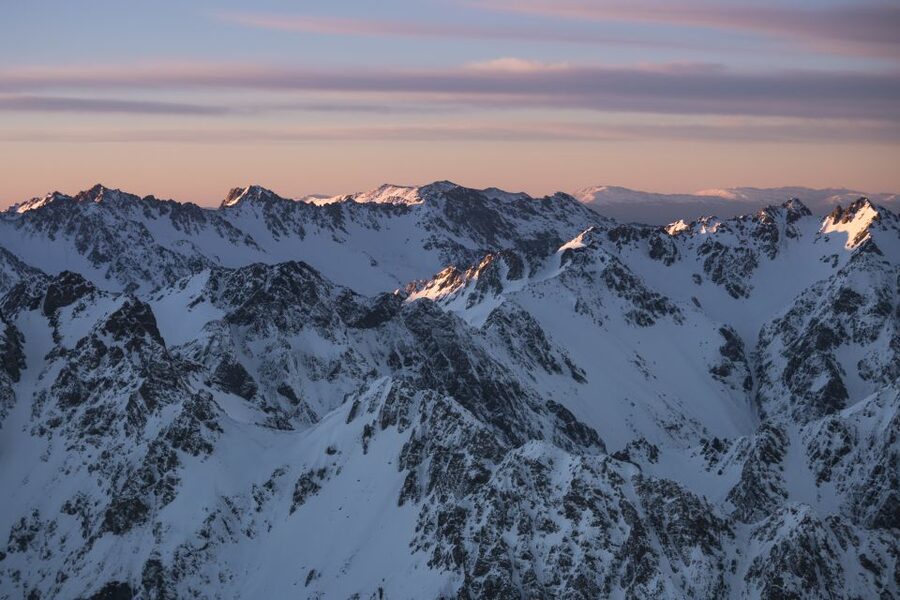
The final part of the route descends over the Tasman Terminal Lake. This is the lower end of the glacier system, where ice reaches the lake and gradually breaks apart.
The contrast is valuable. Earlier, you see high snowfields and frozen ridges. Near the terminal lake, the scenery feels lower, broader, and more open. The flight lets you follow the Tasman Glacier from its upper ice to its lower end, which makes the geography easier to understand.
A ski plane may land and take off from a glacier, depending on the day and operating conditions. One passenger described this as a highlight. It is a special feature, but you should treat it as conditional rather than guaranteed. Aircraft choice, snow conditions, wind, visibility, and safety decisions all affect what is possible.
After the terminal lake, the flight returns to the airfield. The 55-minute duration is long enough to cover a great deal of territory without turning into an exhausting half-day activity.
Helicopter or ski plane?
The aircraft choice is one of the first things to consider when booking. Both options give you an aerial view of Mount Cook and the Southern Alps, but they create a different feel.
A helicopter usually gives you a closer, more flexible view of steep mountain faces and icefalls. The ability to hover can make individual features easier to study. It may suit you if you want a more intimate look at the peaks and glacier walls.
A ski plane gives you the added possibility of landing on snow or ice. That can turn a scenic flight into something more hands-on, though the landing depends on conditions. One passenger reported landing and taking off from a glacier, which was described as a particularly memorable part of the outing.
The downside of a small aircraft is that every seat can feel different. A passenger seated in the middle of three seats directly behind the rotor area reported very poor visibility. If the operator allows seating requests, ask before departure. Do not count on every seat having an equally clear view.
You can use a camera or phone during the flight, but selfie sticks are not allowed. Bags are also not allowed, so keep your preparations simple. Comfortable clothes are recommended, and you should avoid bringing anything you do not need.
How much value do you get for $447?
At $447 per person, this is a major travel expense. You are paying for a short flight, not a full-day tour with meals or transport. Food and drinks are not included.
The value comes from the amount of scenery covered in less than an hour. You see both sides of the Southern Alps, two West Coast glaciers, Mount Cook, Mount Tasman, Mount Sefton, the Grand Plateau, the Hochsteter Icefall, the Tasman Glacier, and the terminal lake. Seeing all of that from the ground would require several separate outings, and some parts are not accessible at all.
I would consider the price more worthwhile if you have limited time in the Mount Cook region, if mountain scenery is a main reason for your New Zealand trip, or if you are unlikely to return. It is also a strong choice for photographers, provided you understand that weather and seating can affect the results.
The value is weaker if your budget is tight, if you are satisfied with viewpoints from the road and valley floor, or if you have no flexibility for a weather delay. A canceled flight can be refunded or rescheduled, but a disrupted schedule can still be inconvenient.
The booking terms help reduce that risk. You can cancel up to 24 hours in advance for a full refund, and you can reserve now and pay later. That flexibility is useful in a mountain area where the forecast may change.
Weather, weight, and practical limits
Mountain flying depends on conditions, and the operator puts safety first. If weather makes the flight unsuitable, you can receive a full refund or reschedule.
The combined weight of passengers can also affect the schedule. A flight may be rescheduled if the total passenger weight reaches the aircraft’s safety limit. Anyone over 254 pounds, or 115 kilograms, is not eligible for this activity.
The trip is not suitable for people with mobility impairments. The supplied information does not describe the exact boarding arrangements, so you should contact the operator if you have any concern about getting into the aircraft or moving around the departure area.
Keep your clothing comfortable and bring no bag. You can use your phone or camera in flight, but protect your grip and follow the pilot’s instructions. With no food or drinks included, plan to eat before or after the flight rather than expecting refreshments onboard.
A small group with real attention
The maximum group size is six people. That is a useful middle ground. You are not booking a private flight, but you are also not joining a large sightseeing crowd.
A small group can make the guide’s commentary easier to hear and may give you a better chance to ask questions. It also means that seating and passenger weight can matter more. Each person has a greater effect on the aircraft’s balance and capacity than on a large tour.
The crew receives strong praise for being helpful, and pilot Angus was singled out for making one flight especially enjoyable. The staff also handled a passenger’s fear with understanding and moved another passenger from a shortened plane flight to a helicopter after the weather changed. That suggests a practical, flexible approach when conditions do not cooperate, though no operator can guarantee a replacement flight.
Who will enjoy this flight most?
I would choose this trip if you want to understand the Southern Alps as a whole rather than view one mountain from one lookout. The route is especially suited to you if you enjoy glaciers, snowfields, mountain photography, and aircraft-based sightseeing.
It also works well for a short Mount Cook visit. A 55-minute flight can show you places that would take far longer to reach on foot, and the route covers both the east and west sides of the range.
You should think carefully before booking if you dislike flying, need guaranteed clear views, or want a fixed itinerary with no chance of delay. You should also ask about seating if a clear window view is essential to you.
Should you book the Mount Cook scenic flight?
Book it if you can afford the $447 price and your schedule allows room for mountain weather. The combination of Aoraki Mount Cook, Mount Tasman, Mount Sefton, Fox Glacier, Franz Josef Glacier, and the Tasman Glacier makes this one of the most efficient ways to see the Southern Alps.
I would choose the ski plane if the idea of landing on a glacier appeals to you, while a helicopter may suit you better if you want closer views of steep faces and icefalls. Remember that the aircraft and any glacier landing depend on conditions.
This is not a cheap add-on, and an unfavorable seat or cloudy sky can reduce the payoff. Still, for a flexible visitor who wants a broad, memorable view of Mount Cook National Park, the 55-minute flight earns its place on the itinerary.
FAQ
How long is the Mount Cook scenic flight?
The flight lasts 55 minutes.
What aircraft can I fly in?
You can fly in either a helicopter or a ski plane. The available aircraft may depend on operating conditions and scheduling.
What mountains can I see?
The route includes Aoraki Mount Cook, Mount Tasman, and Mount Sefton.
Will the flight pass over Fox and Franz Josef Glaciers?
Yes. The route crosses the Main Divide to the West Coast and includes aerial views of Fox Glacier and Franz Josef Glacier.
Does the flight include the Tasman Glacier?
Yes. After tracking north along the Tasman Sea, the aircraft crosses the Southern Alps again and returns toward the Tasman Glacier, including views near the Tasman Terminal Lake.
Can I take photos during the flight?
Yes. You can use your camera or phone during the flight. Selfie sticks are not allowed.
Can I bring a bag or food onboard?
Bags are not allowed, and food and beverages are not included.
What happens if the weather cancels the flight?
If the operator cancels because of weather, you will be offered a full refund or a rescheduled flight. A flight may also be changed or rescheduled if passenger weight reaches the aircraft’s safety limit.
Just added around the world
- Zell am See Kaprun: Private Ski Guiding with Hajo★ 5.0 · 3 reviews
- Whitehorse: Half-Day Snowshoeing Tour★ 5.0 · 6 reviews
- Zermatt: Private Ski Guide with Experienced Ski Instructor★ 5.0 · 2 reviews
- Vialattea: Snowshoeing in the Snowy Forest★ 4.9 · 10 reviews
- Snowshoeing in Triglav National Park★ 5.0 · 4 reviews
- Vienna: Relaxed Alpine Snowshoe Experience Guide & Transfer★ 5.0 · 3 reviews
- Vialattea: Night Snowshoeing under the Stars★ 4.5 · 5 reviews
- Whistler: Backcountry Snowshoeing Tour with Guide★ 5.0 · 9 reviews
New Zealand Ski Trips, compared.
Mount Cook: Ski Plane and Helicopter Glacier Combo Flight
Read our review →
45-Minute Mount Cook Ski Plane and Helicopter Combo Tour
Read our review →
45-Minute Glacier Highlights Ski Plane Tour from Mount Cook
Read our review →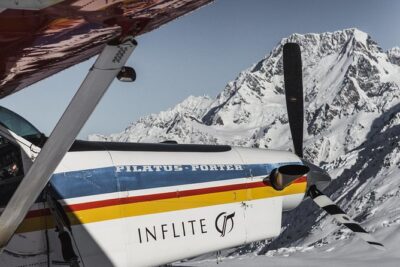
From Queenstown: Cardrona First Timer Ski or Snowboard
Read our review →
From Queenstown: Cardrona Ski/Snowboard Rentals & Transfer
Read our review →Browse the lists this tour appears in